You have no items in your shopping cart.
Articles & Resources
Training tips, health and care, breed guides, and gear information for dog owners and trainers.
Recently Added:
What it means to hunt with a dog
There’s a difference between a dog that lives in your house and a dog that hunts with you. Both can be the same animal—plenty of Labs sleep on the couch all week and perform flawlessly on Saturday morning—but the relationship is differe...
A hunting dog’s year doesn’t start on opening day. It starts in January when the last season ends and the next one begins to take shape. What you do — or don’t do — in the months between seasons determines what kind of dog shows up when it matters. Here’s what ...
A hunting dog works harder in a single day than most dogs work in a month. He covers ground at a run for hours, absorbs cold water, thorns, and rough terrain, and does it without complaint. The least a hunter owes him is honest preparation and honest care — not sentiment, but competence. Wh...
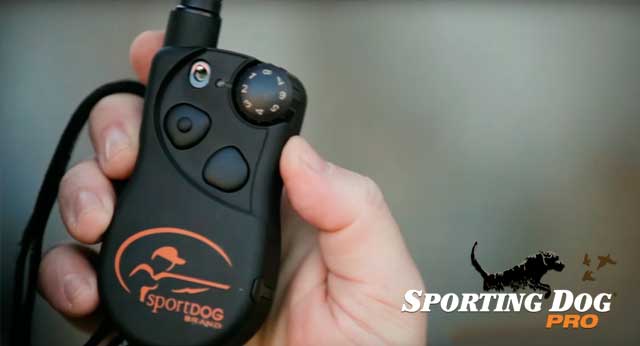
One of the most common mistakes new e-collar users make is setting the level too high out of impatience, and one of the most common mistakes experienced users make is leaving it too low out of reluctance. Neither produces good training. Finding and using the right level — and knowing when t...
The question comes up constantly: when can I put an e-collar on my puppy? The answer most experienced trainers give is somewhere between 5 and 7 months, depending on the dog — but that number without context is almost meaningless. The real answer is: when the dog understands what you’...
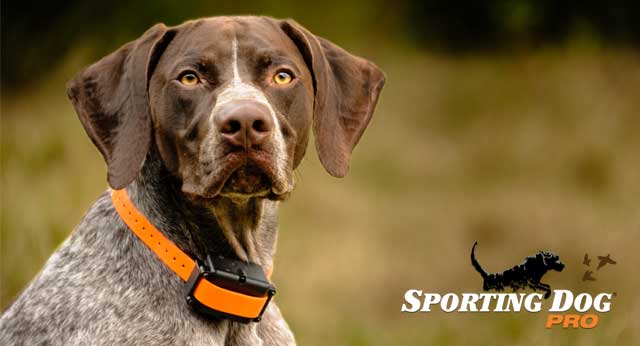
An e-collar is a remote training system consisting of two components: a handheld transmitter the handler carries and a receiver collar the dog wears. When the handler presses a button on the transmitter, the receiver delivers a stimulus to the dog — static stimulation, vibration, or tone de...
A dog that tears apart the couch, barks for hours, or injures himself trying to get out of a crate while you’re gone isn’t being bad. He’s in distress. Separation anxiety is one of the more common behavioral problems in dogs and one of the more misunderstood — because from...
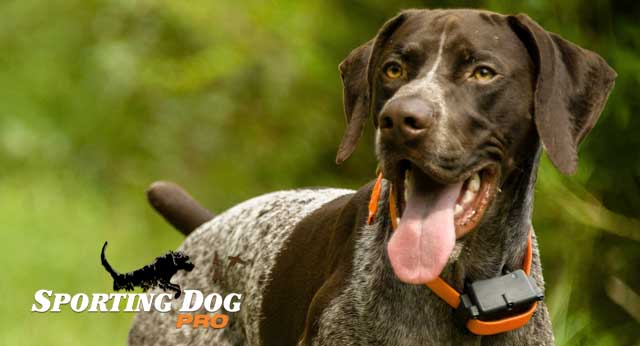
If you’ve found a sore, rash, or raw patch on your dog’s neck where an e-collar, bark collar, or containment collar sits, the first thing to understand is what you’re looking at. These sores are not burns from the collar’s stimulation. A common misconception is that the st...
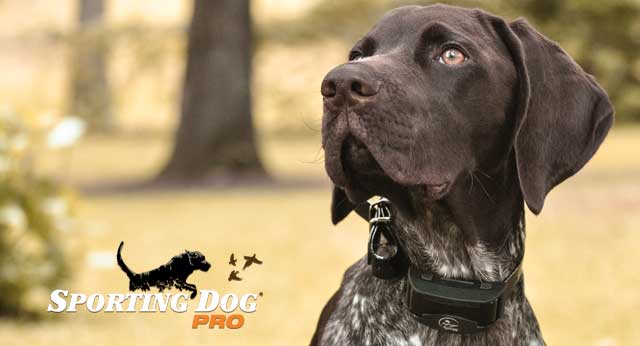
The first time most people use an e-collar they’re surprised at how well it works. The second thing they usually notice is that the dog seems to forget everything the moment the collar comes off. That gap between performance with the collar and performance without it is the most common sign...
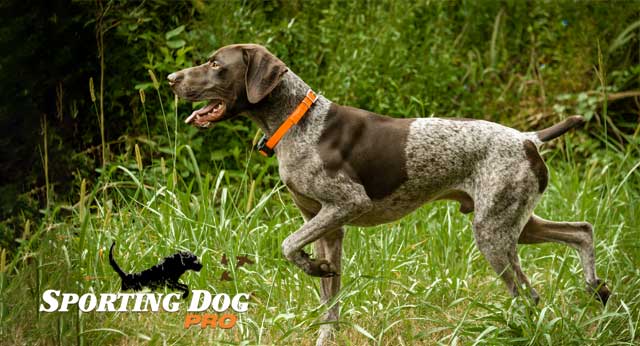
There are few things in bird hunting as satisfying as watching a well-bred pointer lock up on scent. The dog freezes mid-stride, tail rigid, muzzle aimed like a compass needle, every muscle in his body strung tight with instinct he was born with. His heart rate goes up. His body temperature rises...
Hunting season ends and the dog doesn’t. He’s still there every morning, still wants to work, still needs exercise and mental engagement and time with you. The summer months are when a lot of hunters put their dogs on autopilot — feed, water, kennel, repeat — and wonder wh...
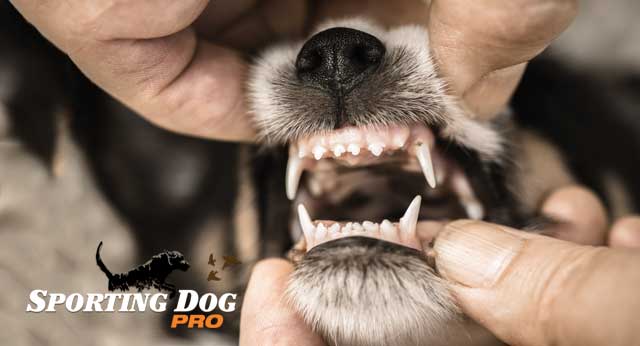
Biting is communication. That’s worth understanding before anything else, because the way you respond to a dog that bites should depend entirely on what he’s communicating. A puppy that bites your hand during play is doing something completely different from a dog that bites out of fe...
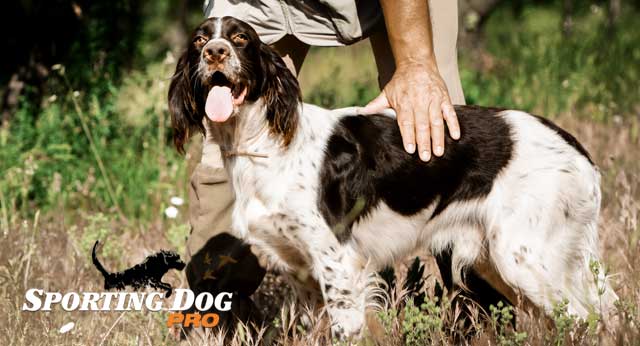
One of the most common complaints from dog owners who’ve hired a professional trainer goes something like this: the dog performed well in training but acts completely different at home. Or: the trainer used methods I didn’t understand and now my dog doesn’t respond to me the way...
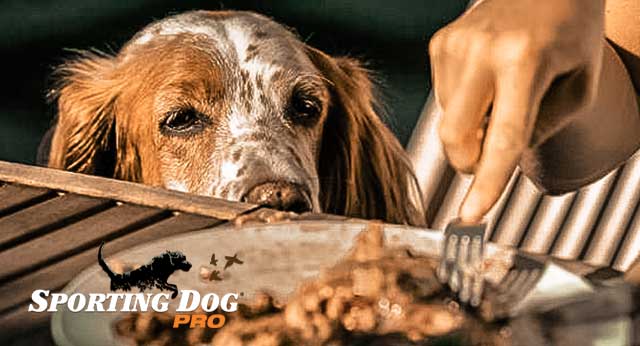
A begging dog at the dinner table is annoying. A begging dog in a hunting camp, around other people’s food, jumping on guests, or pestering kids with plates is a problem. But for a gun dog specifically, begging is more than a nuisance behavior — it’s a symptom of a broader issue...
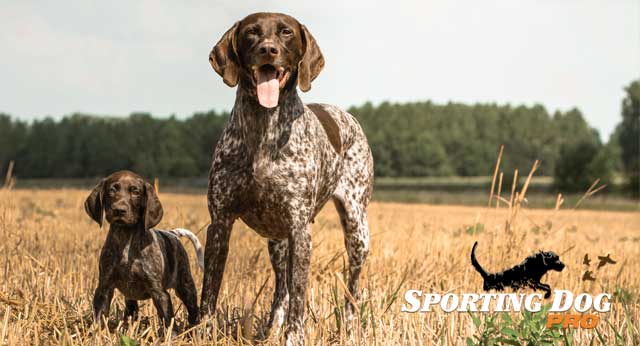
Whether to spay or neuter your hunting dog is one of those decisions that gets more complicated the more you look into it. The standard advice — spay and neuter for health benefits, do it early — has been complicated in recent years by research showing that timing matters significantl...
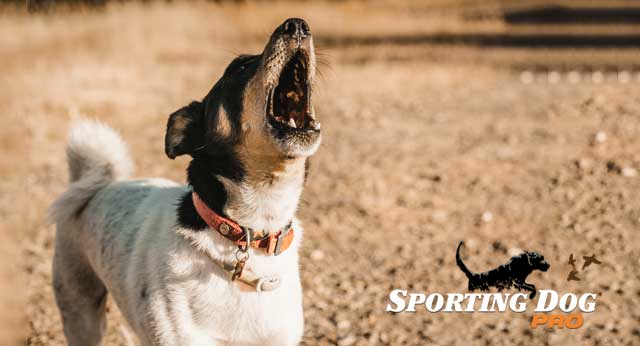
Barking is the most polarizing thing a dog does. Some people can’t stand any of it. Others can’t understand why anyone would want to stop it. Both positions make sense depending on your situation — whether your dog is a guard dog, a hunting dog, a kennel dog with neighbors, or a...
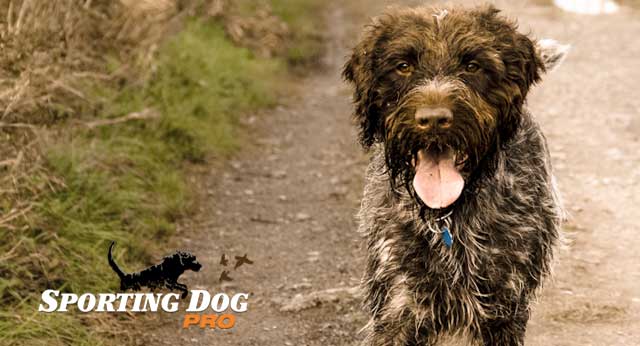
The Wirehaired Pointing Griffon doesn’t have the name recognition of the German Shorthair or the Labrador, but among hunters who have run one, the reputation is remarkably consistent: close-working, biddable, versatile, and durable. The breed handles point, flush, and retrieve in a single d...
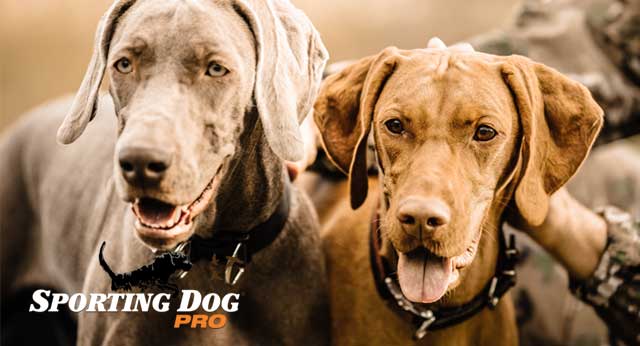
A hunting dog doesn’t know when to quit. That’s one of the things that makes a good gun dog great, and one of the things that makes him vulnerable. He will push through pain, fatigue, and heat that would stop a person, and he will do it without complaint until his body fails. The resp...
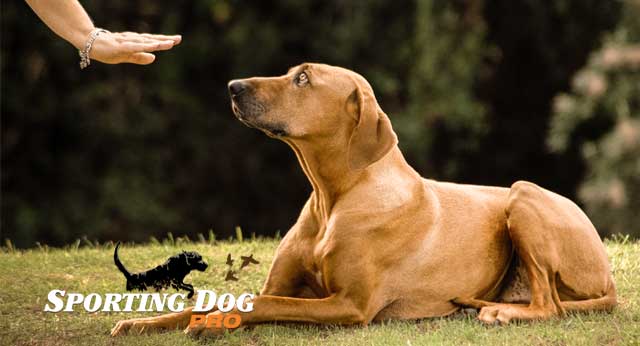
The difference between a gun dog that shows up to opening day ready and one that struggles through the first week almost always comes down to what happened in the eight months before the season opened. Hunting dogs are athletes. Athletes don’t perform at their best when the only preparation...
The training relationship between a hunter and a gun dog is a communication relationship. The dog is constantly sending information — through posture, movement, tail carriage, ear position, pace, and vocalization. The hunter is constantly sending information back — through body positi...
A well-trained dog that suddenly starts having accidents in the house, asks to go out far more frequently than usual, or strains and produces little urine when he does go is almost certainly dealing with a urinary tract problem. In most cases that problem is a urinary tract infection (UTI) &mdash...
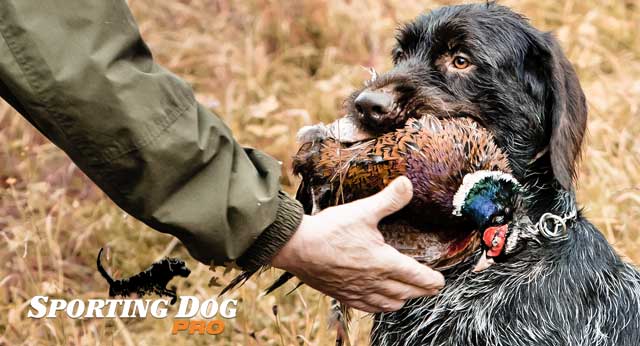
Teaching a dog to drop — to release whatever is in his mouth cleanly, on command, into your hand — is one of those skills that seems simple and gets overlooked until it becomes a problem. For a retriever or bird dog, it’s not a nice-to-have. A dog that won’t release cleanl...
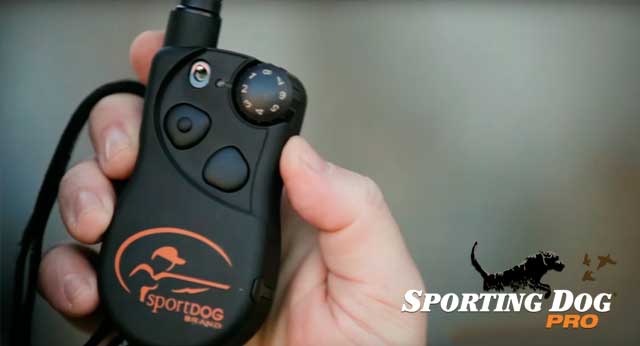
The most common e-collar mistake isn’t a wrong command or a bad correction — it’s the wrong level. Start too high and you scare the dog instead of communicating with him. Stay too low and nothing gets through. Finding the right level isn’t complicated, but it requires pati...
A handler who understands how his dog learns trains more efficiently, makes fewer mistakes, and produces a more reliable dog. Most training problems — commands that don’t stick, behaviors that regress, dogs that perform in the yard but fall apart in the field — have a learning m...
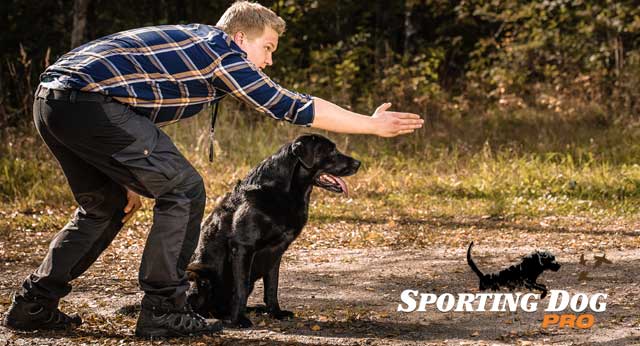
Most hunters decide they want to train their own gun dog before they even pick up the puppy. That instinct is right — the relationship you build through the training process produces a different kind of partnership than handing the dog off to someone else and picking him up finished. But se...
Formal gun dog training has a starting point — a date, a program, a set of tools, a deliberate structure. Casual training doesn’t. It begins the day the puppy comes home and it never really stops. It’s the sum of every interaction, every walk, every meal, every correction and re...
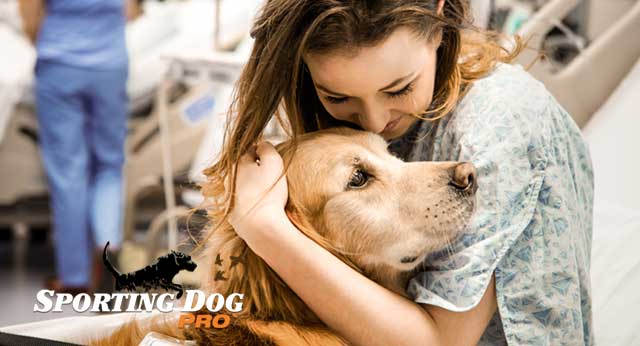
Most hunters already know their dog does something for them beyond the hunt. The dog that settles at your feet at the end of a long day, the one that reads your mood before you do, the one that gets you outside and moving when nothing else would — that’s therapy, even if nobody calls ...
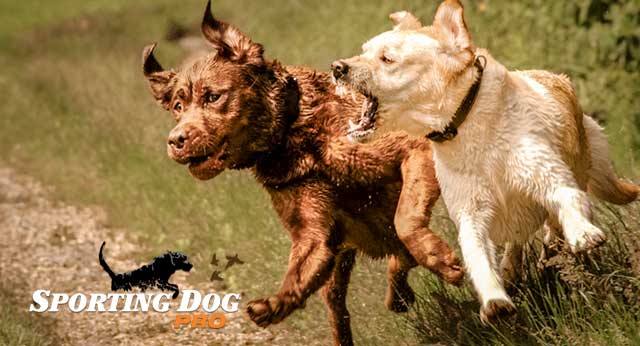
Most aggression problems in adult dogs were preventable. That’s not a comfortable thing to hear if you’re dealing with one, but it’s useful to understand because it means the same behaviors that allow aggression to develop are also the behaviors you can change to stop it early. ...
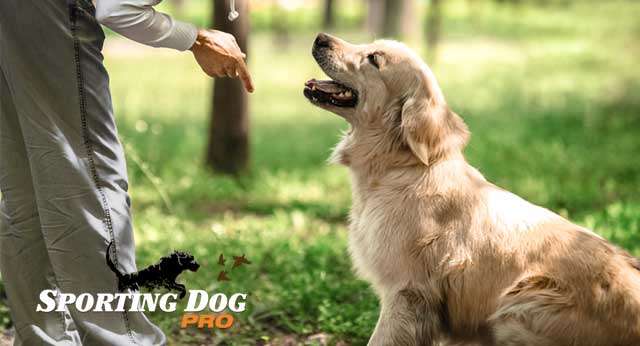
“No” is probably the word your dog hears more than any other. It’s also one of the most misused words in dog training — said too often, said too gently, said without follow-through, and used as a substitute for actual training rather than as a complement to it. Used correc...
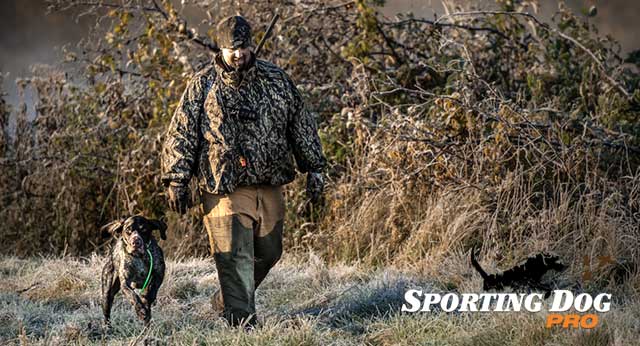
For many of us the opening day of dove season is a social hunt. For lots of folks I think opening day might be the only day they dove hunt all year. It is often associated with pig pickin’s (a Southern thing) and all sorts of other meals that bring people together. Again, it’s a celeb...
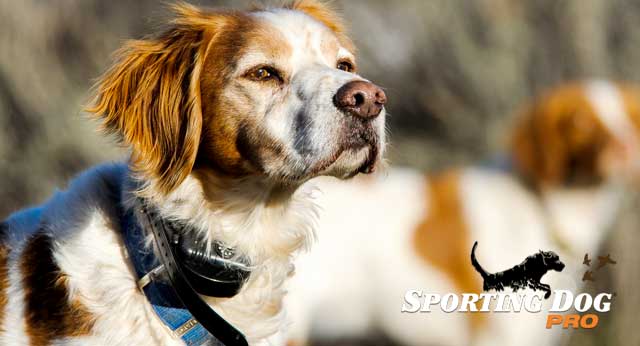
It’s easy to get caught up in the excitement of the first year's hunt, however, now’s the time to go ahead and set the tone for a well behaved and well cared for hunting dog. For most states, the beginning of September marks not only the beginning of Mourning Dove season, but it also serves ...
Socialization is one of those training concepts that gets mentioned constantly but rarely explained precisely enough to be useful. In simple terms, it’s the process of exposing your dog to the people, animals, environments, and situations he’ll encounter in life — in a way that ...
Bad breath in dogs is one of the most commonly ignored health signals there is. Most owners assume it’s normal — dogs have bad breath, that’s just how it is — and move on. Sometimes that’s true. A dog that just finished eating something unpleasant has bad breath for ...
Rescuing a sporting breed is more common than it used to be. Lab rescue organizations, GSP rescues, Brittany rescues, and breed-specific networks have made it genuinely practical to find a quality hunting breed that needs a home. What those dogs come with is variable — some have had good st...
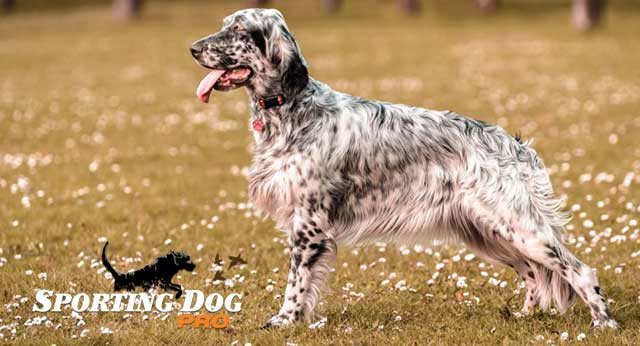
The English Setter is one of the oldest gun dog breeds in existence, and one of the most elegant. That combination of age and elegance has produced a dog that is refined in both appearance and working style — a breed that covers ground with a distinctive, flowing movement, finds birds with ...
More than half of dogs in the United States are overweight or obese. That number has been reported consistently by the Association for Pet Obesity Prevention for years, and it hasn’t improved. For the average house dog, excess weight shortens life and degrades quality of life. For a working...
Training equipment doesn’t make a dog trainer. But having the right tools, understanding what each one does, and knowing when to use them makes the training process significantly more efficient. A handler who reaches for the wrong tool at the wrong time — or who skips foundational too...
Heat stroke is one of the most preventable emergencies in dogs and one of the fastest-moving. A dog that is fine at noon can be in serious danger by 12:30 if conditions are right and nobody is watching closely enough. For hunters and sporting dog owners who work dogs hard in warm weather — ...
Dog training is straightforward in principle and genuinely difficult in practice. The principles don’t change much — clear communication, consistent consequence, appropriate timing, patience. What trips people up is not understanding the principles but failing to apply them consistent...
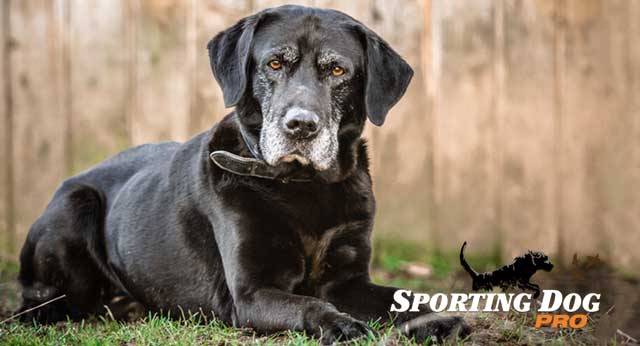
“You can’t teach an old dog new tricks” is one of those sayings that survives because it sounds true and because giving up on an older dog is easier than figuring out why the training isn’t working. The actual truth is that older dogs can learn new behaviors, unlearn old o...
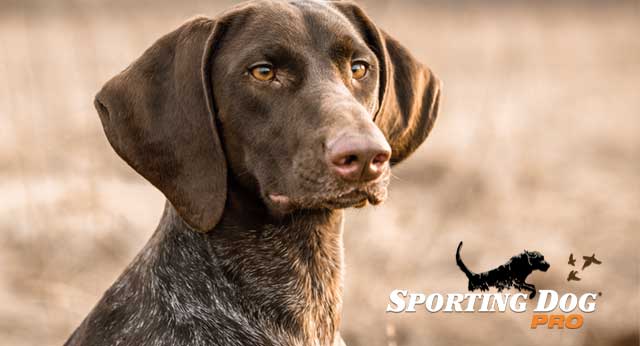
Most dog training discussions focus on correction — what to do when the dog does something wrong, how to deliver it, when to escalate it. Correction is necessary and important. But correction alone, without its counterpart, produces a dog that avoids mistakes out of concern for consequences...
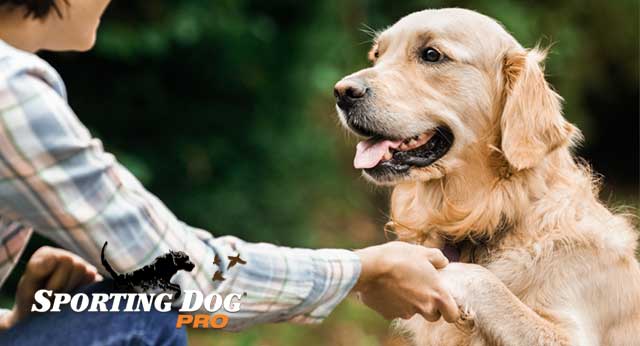
The mechanics of giving a command seem straightforward until you watch someone train a dog and notice how many small things they’re getting wrong — commands given without expectation of compliance, repeated without follow-through, delivered in tones that communicate the opposite of wh...
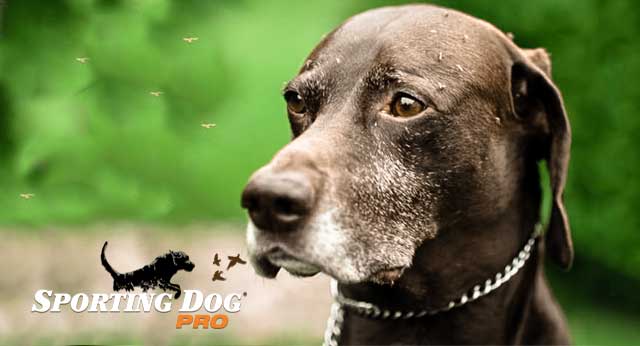
Mosquitoes are annoying to people. To dogs, they’re a genuine medical threat. The reason is heartworms — a parasite that can only be transmitted through a mosquito bite, that grows in the heart and pulmonary arteries of an infected dog, and that causes progressive, potentially fatal d...
Deciding what to do with your dog when you travel is one of the more consequential decisions in dog ownership, and it doesn’t get easier to figure out on short notice. The right answer depends on your dog — his age, temperament, training, and what he’s used to — and on how...
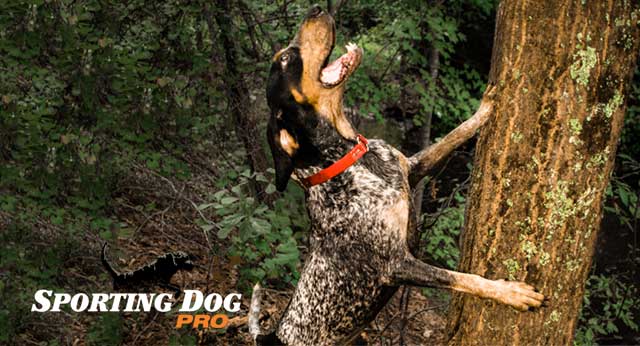
Any seasoned raccoon hunter will tell you that coon hunting is mighty tough on the hunter. It’s a night sport — when most folks are settling in for the evening, the coon hunter is just getting started. It requires patience, a willingness to follow dogs through rough country in the dar...
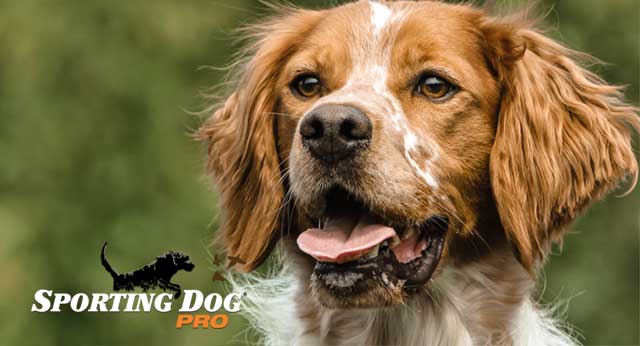
The Brittany was officially called the Brittany Spaniel until 1982, when the AKC dropped “Spaniel” from the name to reflect what the breed actually is: a pointing dog, not a flushing spaniel. Most Brittany owners and many breeders still use the full name out of habit and tradition, an...
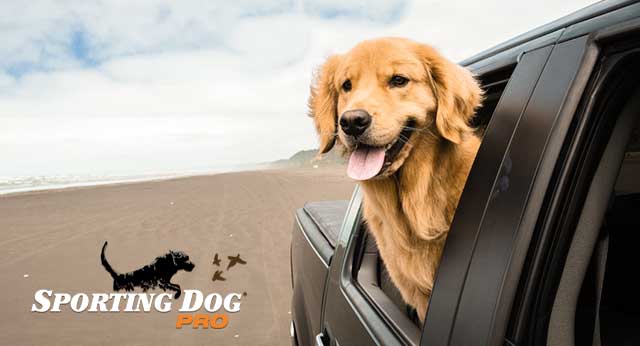
For hunters, the dog in the truck is as much a part of a hunting trip as the gun. A retriever, pointing dog, or hound that travels comfortably, loads and unloads on command, and settles quietly in a crate between destinations makes every aspect of the trip easier. A dog that’s anxious in th...
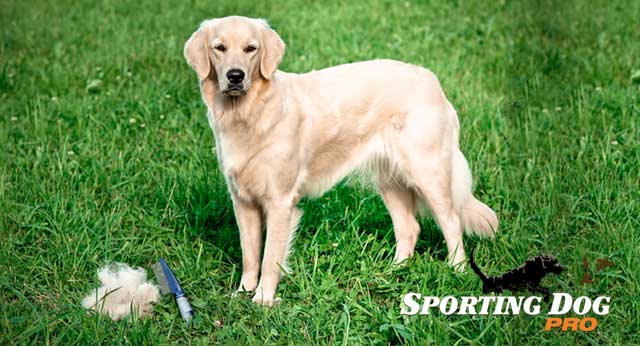
Most hunters don’t think of themselves as groomers. But the post-hunt inspection, the ear check, the pad examination after a day in rough cover — that’s grooming, and a hunter who does it consistently is doing more for his dog’s health and longevity than any amount of prem...
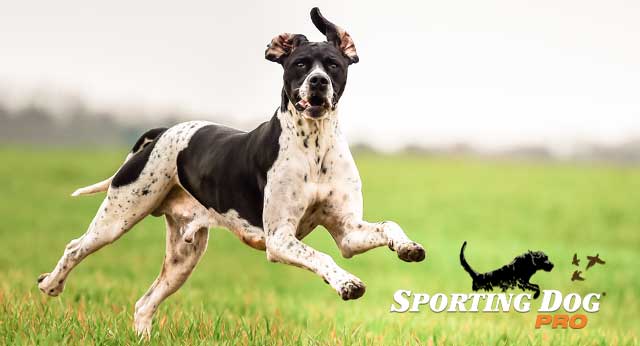
A hunting dog that stays healthy, sound, and eager to work across ten or twelve seasons isn’t the product of luck. It’s the product of consistent attention to the basics — veterinary care, appropriate nutrition, and genuine exercise — maintained not just during hunting sea...
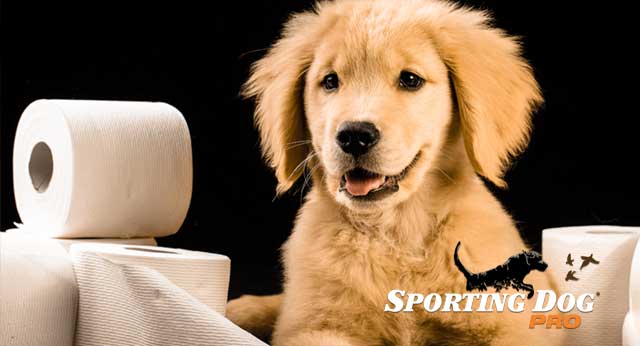
Housebreaking is the first real training task most dog owners face, and it sets a tone for everything that follows. A puppy that learns quickly that outside is where elimination happens — because the rules were clear, consistent, and applied from day one — is a puppy building the foun...