You have no items in your shopping cart.
About Coon Hunting Dogs
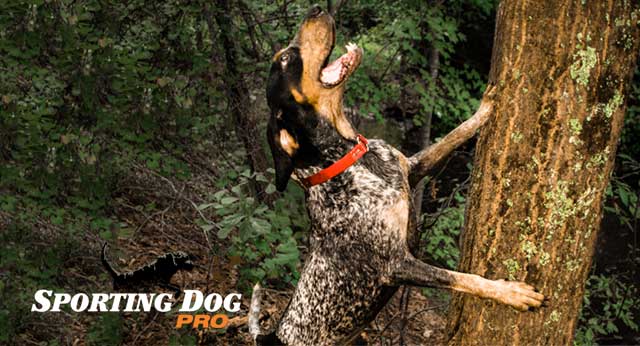
Any seasoned raccoon hunter will tell you that coon hunting is mighty tough on the hunter. It’s a night sport — when most folks are settling in for the evening, the coon hunter is just getting started. It requires patience, a willingness to follow dogs through rough country in the dark, and a dog with more determination than most breeds have in them. When it works, there’s nothing quite like it: the sound of a hound opening on a track in the dark timber, the baying intensifying as the chase gets hot, and that distinct treeing bark that tells you he’s got one up. If you’ve done it once, you understand why people get addicted to it. And amongst local coon hunters, there’s a long tradition that a proper coon dog needs a name to match — short, tough names like T-Bone and Spike that tell you what kind of dog you’re dealing with.
What makes a good coon dog
A coon dog is a specialist. The qualities that make a great retriever or pointing dog have some overlap, but the core attributes of a coon dog are their own: exceptional cold-trailing nose, the drive and determination to stay on a track through rough cover and long distances, a voice that carries and communicates what the dog is doing, and the discipline to tree and hold rather than break off the tree once the coon is up.
The opening bark when the dog first hits scent is one of the most exciting sounds in hunting. A good coonhound won’t make a sound until he’s worked the track down to something real — false alarms are a mark against a dog in competitive hunting circles. Once he opens, the sound tells experienced hunters how fresh the trail is and how hot the chase is getting. When the coon is treed, the bark changes character entirely — a sustained, distinctive baying howl that experienced hunters recognize immediately. That tree bark is the goal of the whole enterprise, and a dog that produces it reliably is worth his weight.
A good coon dog also has to be tough. He’s working at night in terrain that ranges from creek bottoms to thick brush to timber ridges, often in cold, wet conditions. The dog that quits when things get difficult isn’t a coon dog — he’s a liability.
The breeds
Several hound breeds have been developed and refined specifically for raccoon hunting, each with its own following among serious hunters.
The Treeing Walker Coonhound is the most popular coon dog in the country by a significant margin, largely due to availability and the breed’s speed and range. Treeing Walkers tend to run wide and fast, and they have a strong following in competitive nite hunts where cast-and-call scoring rewards speed and productivity. The English Redtick (American English Coonhound) is another fast, wide-ranging breed with excellent cold-trailing ability and a devoted following in the Southeast. The Redbone Coonhound is known for cold-nose ability — the ability to work old, faint tracks that other dogs can’t unravel — and has a deep, melodious voice that many hunters prize. The Bluetick Coonhound, with its distinctive ticking pattern, is renowned for methodical cold-trailing and a powerful, chop mouth that carries well. The Black and Tan Coonhound is one of the oldest American hound breeds and is known for exceptional cold nose and determination on long, difficult tracks.
Ask coon hunters which breed is best and you’ll start a debate that won’t resolve itself. Most serious hunters pick a breed early in their coon hunting career, develop their lines over years, and become genuinely loyal to that breed in a way that generates strong opinions. That loyalty is part of the culture.
For hound hunting applications, browse our hound hunting collar systems — e-collar systems specifically suited to dogs working at range in heavy cover at night. Combined with GPS tracking, they keep you connected to your dogs in conditions where voice or whistle contact isn’t practical.
GPS tracking collars and coon hunting
Modern GPS tracking collars have changed coon hunting significantly, and the debate about them in the coon hunting community mirrors debates in other hunting traditions about technology and tradition. Critics argue that GPS has removed some of the challenge. Supporters — and the majority of serious hunters today are in this camp — point out that the collar doesn’t help the dog find raccoons. The dog does that entirely on his own through instinct, nose, and training. The collar tells the hunter where his dog is.
That distinction matters practically. Coon hunting takes dogs through broken country at night — lands that may be divided by residential property, roads, and unfamiliar terrain. Before affordable tracking collars, losing a dog to an exhausted shutdown in thick cover or an angry landowner was a real and regular risk. Hunters spent days searching for missing dogs. With a GPS collar, the hunter knows where every dog is in real time, can locate a dog that has stopped moving, and can manage the cast responsibly relative to property boundaries. That’s not removing the sport — it’s removing unnecessary risk to the dogs. Growing up around coon hunters, the stories of searching for missing dogs for days are remembered by every experienced hunter in the community. GPS has effectively ended those stories.
Coon hunting and wildlife management
Coon hunting isn’t just sport. Raccoons are highly adaptable, prolific breeders that have thrived in the transition from forested land to residential and agricultural land. Population density in developed areas can reach levels where disease transmission — particularly rabies and distemper — becomes a genuine concern for livestock, pets, and in the case of rabies, people. Overpopulated raccoons also create property damage and nuisance issues that affect landowners and communities.
Coon hunting provides regulated harvest that helps manage local populations, and in areas where populations have gotten out of balance, coon hunting clubs are sometimes actively recruited by landowners and land managers to help. The combination of a sustainable sporting tradition and a practical population management function is part of why coon hunting has maintained a dedicated community even as other hunting traditions have declined.