You have no items in your shopping cart.
Pressure Necrosis from E-collar Misuse
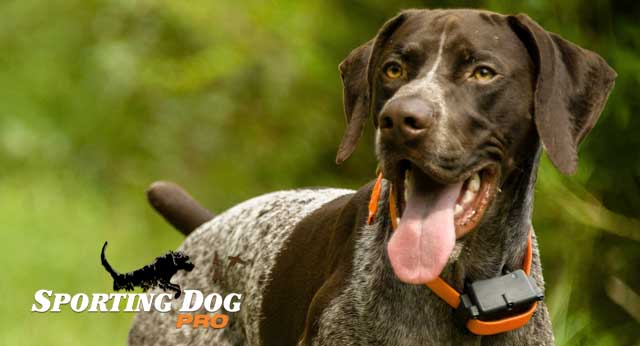
If you’ve found a sore, rash, or raw patch on your dog’s neck where an e-collar, bark collar, or containment collar sits, the first thing to understand is what you’re looking at. These sores are not burns from the collar’s stimulation. A common misconception is that the static correction from an electronic collar can burn skin — it can’t. The energy output is far too low. What you’re seeing is pressure necrosis, also called a pressure ulcer or contact sore, and it’s caused by sustained pressure from the collar itself — not the stimulation it delivers.
Pressure necrosis is the same mechanism as a bedsore on a person. Sustained contact on skin tissue restricts blood flow to that area. Without adequate circulation, tissue begins to break down. The contact points on an electronic collar are small, firm, and sit directly against the skin — concentrating pressure on a small area. If that pressure isn’t relieved regularly, the skin underneath deteriorates whether or not the collar ever fires a correction.
Understanding this distinction matters: if your dog has a sore from a collar, it doesn’t mean the collar malfunctioned or that the stimulation is harming him. It means the collar was worn too long, fit incorrectly, or wasn’t maintained properly. All three causes are preventable.
Cause 1: Wearing the collar too long
The most common cause of pressure necrosis from a dog collar is leaving it on too long. Most collar manufacturers recommend a maximum wear time of 8 to 10 hours per day. That limit exists specifically to prevent pressure sores. A collar left on longer — overnight, through a full workday and evening, or simply forgotten — creates the conditions for tissue breakdown even on a healthy dog with normal skin.
The practical rule that helps most: move the collar to a slightly different position on the neck every 3 to 4 hours of use. Shifting it even a small amount means the contact points never sit in the exact same spot long enough for tissue damage to begin. On a hunting day when you’re handling the dog regularly, this happens naturally. It’s harder to remember when the collar goes on in the morning and comes off at night.
The two-part rule: Never exceed 8 to 10 hours of wear per day — and move the collar to a different position on the neck every 3 to 4 hours when possible. These two habits alone prevent the majority of pressure necrosis cases.
The clearest rule: remove the collar when the training or hunting session is done. Never leave an e-collar, bark collar, or containment collar on a dog that is crated, kenneled, or unsupervised overnight.
Cause 2: Improper fit
The second most common cause is a collar that doesn’t fit correctly — and the mistake goes in both directions.
Too loose. A collar fitted too loosely seems like it would be more comfortable, but it isn’t. A loose collar shifts and slides as the dog moves. That repeated friction against the same area of skin produces sores through constant low-grade rubbing — even without any pressure from the contact points themselves. It’s the same mechanism as a blister from a loose shoe.
Too tight. A collar fitted too tightly compresses the contact points hard against the skin continuously. This restricts blood flow and accelerates tissue breakdown. A collar so tight the contact housing can’t move at all is more likely to cause a sore than one fitted correctly.
The correct fit for most e-collar systems: the contact points should rest firmly against the skin with enough pressure to maintain consistent contact, but you should be able to slip one or two fingers between the collar strap and the dog’s neck. The contact points should leave faint, temporary impressions on the skin after a training session — if there are no marks at all, the collar may be too loose; if the marks are deep, red, or persistent, the collar is too tight.
Every collar comes with a fit guide. Follow it. The fitting instructions for a bark collar, an e-collar, and a fence receiver collar are not identical — read the one that came with your specific system.
Cause 3: Dirty or worn contact points
Hair, dirt, and moisture build up on contact points faster than most owners expect. That buildup creates an uneven surface that concentrates pressure on small spots rather than distributing it across the contact area. It can also interfere with collar function, causing the unit to misfire or not fire when it should.
Maintenance is simple: wipe the contact points down when you take the collar off after each use. Every two weeks, wash them with mild soap and water and let them dry completely before putting the collar back on. If your dog has a thick or double coat, check that the contact points are actually reaching skin rather than sitting on top of hair — longer contact points are available for most collar systems specifically for this situation.
Dogs with sensitive skin, skin conditions, or allergies are more susceptible to contact sores regardless of how well the collar fits. Pay attention to the skin under the collar the same way you’d pay attention to any area of contact with equipment. If your dog has a history of skin sensitivity, check more frequently and consider rotating collar placement more often than the standard recommendation.
How to treat a collar sore on a dog
If you find a sore, the first step is to remove the collar immediately and leave it off until the skin has fully healed. Do not put the collar back on over a sore — continued pressure will prevent healing and make it worse.
Most pressure sores caught early are superficial and heal quickly with basic care. Clean the area gently with mild soap and water or a veterinary antiseptic solution. Keep it clean and dry. For minor sores with no signs of infection, this is usually sufficient and the skin heals within a week or two.
Signs that warrant a vet visit: the sore is deep, bleeding, or appears to go below the surface skin layer; the area is swollen, hot, or has discharge; your dog is in visible pain around the area; or the sore doesn’t show clear improvement within a few days of basic care. Infected pressure necrosis can progress quickly and is worth treating promptly rather than watching and waiting.
Once healed, you can return to collar use — but address whatever caused the sore in the first place before putting it back on. If it was wear time, set a stricter schedule. If it was fit, refit the collar properly. If it was dirty contacts, establish a cleaning routine.
Can a shock collar hurt a dog?
The stimulation itself — when the collar is used correctly and at an appropriate level — does not cause injury. The contact points cause sores through pressure and friction, not through the electrical stimulus. A collar that is fitted properly, worn for appropriate durations, and maintained regularly should not produce pressure necrosis.
The situations where collars do cause problems are the ones described above: worn too long, fitted wrong, or not maintained. These are handler errors, not inherent problems with the technology. The same collar used correctly by one owner for years without incident will cause sores in a week on another owner’s dog if it’s left on overnight every day.
Maximum wear time by collar type: Training collars and bark collars — 8 to 10 hours maximum per day. Underground fence and GPS fence receiver collars — same guideline applies. Move the collar position every 3 to 4 hours when possible. Remove at night and when the dog is crated or kenneled.
Responsible collar use is straightforward once you understand what causes the problems. The dogs that develop pressure necrosis are almost always dogs whose owners didn’t know the rules — not dogs whose owners knew and chose to ignore them. Now you know.
If you’re shopping for an e-collar, bark collar, or containment system, we carry systems from Dogtra, SportDOG, Garmin, and PetSafe and are happy to help you choose the right fit for your dog — call us at 1 (800) 524-2428.