You have no items in your shopping cart.
10 Steps To Take Before You Hire A Professional Dog Trainer
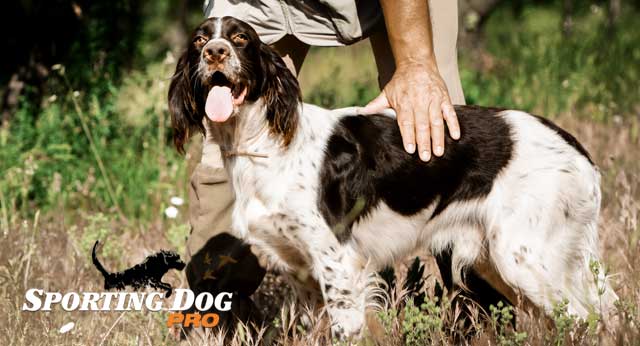
One of the most common complaints from dog owners who’ve hired a professional trainer goes something like this: the dog performed well in training but acts completely different at home. Or: the trainer used methods I didn’t understand and now my dog doesn’t respond to me the way he used to. Some of these situations are on the trainer. More of them are on the owner — for not doing their homework before hiring, not communicating expectations clearly, and not following through after the dog came home. Here’s how to avoid all of it.
1. Match the trainer to your specific dog and purpose
Dog training is not a single discipline. A trainer who is excellent with family pet obedience may have no experience with gun dogs. A trainer who runs pointing dogs may have never worked a retriever. A trainer who specializes in protection work is not the right choice for a Labs with marking problems. Check references specifically from people who have the same breed and the same training goals you do. A recommendation from your neighbor whose beagle turned out well tells you almost nothing about whether this trainer can develop your German Shorthair for upland hunting.
2. Understand the program in detail before you commit
Every professional trainer runs a different program with different methods, different timelines, and different definitions of what “trained” means at the end. Get the specifics before you hand over the dog. What commands will be trained? To what standard? What correction tools will be used? How will the dog be housed and handled day-to-day? What does success look like at the end of the program? Ask to observe a training session with a current client’s dog before you decide. You can learn more from watching 30 minutes than from any sales conversation.
3. Define your goals specifically and in writing
Vague goals produce vague results. “I want a better-trained dog” is not a goal. “I want a steady dog that holds point, honors, and handles on the whistle at 200 yards” is a goal. Write down exactly what you expect the dog to do at the end of the program, go through the list with the trainer before you start, and get confirmation that the program covers each item. If your list has ten things and the program only addresses six of them, better to know that before you pay than after you pick up the dog.
4. Understand that dogs are not robots
Breed, temperament, prior experience, and individual personality all affect training outcomes. A trainer can give you a realistic assessment of what’s achievable with your specific dog, but no honest trainer will guarantee a specific outcome. A dog that’s been rehearsing bad habits for two years takes longer to retrain than a young dog with a clean slate. A sensitive dog needs a different approach than a hard-charging high-drive dog. Calibrate your expectations to your dog, not to the best-case scenario.
5. Step back and let the trainer train
If you’ve hired a professional, hire them completely. Don’t show up to sessions and redirect the trainer. Don’t second-guess methods mid-session. Don’t pull the dog out of a board-and-train program halfway through because you miss him. Interrupting a training program at a critical stage can set the dog back significantly — not because the trainer failed, but because the timing of reinforcement and correction was disrupted before the behavior was solid. You hired an expert. Let the expert work.
6. Be upfront about equipment preferences
If you have a specific e-collar system you want the trainer to use, or a method you want avoided, say so before you hire — not after the program starts. Most professional trainers have their preferred tools and methods, and some won’t work with equipment they didn’t choose. If your collar compatibility or method preference is a hard requirement, confirm the trainer will accommodate it before you commit. A mismatch on this discovered mid-program wastes everyone’s time.
7. Give the timeline the time it needs
Hunting dog training in particular takes longer than most owners expect. Steadiness, honoring, handling at distance, and reliable recall under bird pressure are not six-week results. They’re built in stages, and each stage needs to be solid before the next one begins. Owners who pull their dog from a program two weeks early because progress seems slow typically get a dog that’s partially trained — which is sometimes worse than untrained, because the dog has learned some commands but not reliably enough to depend on them. Trust the process.
8. Don’t fear the e-collar
A significant number of training failures happen because the owner was uncomfortable with the trainer’s use of an e-collar and either asked them not to use it or undermined its use. Modern e-collars at appropriate levels are not painful or cruel — they’re a communication tool that allows a trainer to give your dog clear, timely feedback at a distance. A dog trained correctly with an e-collar is typically confident and enthusiastic about working, not anxious or avoidant. Most dogs that wear a training collar learn to associate it with the activity they love — you put it on, good things happen.
If you have genuine concerns about a trainer’s use of correction tools, have that conversation directly and ask them to explain their approach. A good trainer will welcome the question. What you shouldn’t do is hire a trainer, watch them work, and silently disagree with every correction while the dog picks up on your body language and undermines the training session.
If your trainer uses an e-collar and you want to understand the tool better before handing over your dog, read our article on what e-collars are and how they work. Understanding the tool makes you a better partner in the training process.
9. Think of sessions as foundation work, not finished performance
Early training sessions don’t look like the hunt. A dog learning to hold steady in a controlled field with no birds flushing wild looks nothing like a polished bird dog in October. That’s intentional. Skills are built in controlled conditions first, then proofed under gradually increasing pressure and distraction. If you watch an early session and think “this doesn’t look like hunting,” you’re right — it’s not supposed to yet. The foundation work is what makes the finished performance possible.
10. Your job starts when you pick up the dog
This is the step most owners underestimate. A professional trainer can develop a well-trained dog in a structured program. What they cannot do is maintain that training at home for you. When the dog comes back, you are the trainer. The commands, the expectations, the corrections, and the follow-through are now your responsibility — every day, consistently, the way the trainer showed you. Dogs that come home from professional training and fall apart within a month almost always have owners who stopped reinforcing what the trainer built. Don’t undo in two weeks what took months to develop.
Ask the trainer for a handoff session where they walk you through exactly what the dog knows, what commands and cues were used, and what your daily maintenance looks like. Write it down. Follow it.
If you’re doing your own training or maintaining what a professional started, having the right equipment matters. Browse our training collar lineup organized by application — family dog, upland hunting, waterfowl, hound, and professional. Call us at 1 (800) 524-2428 if you want help choosing the right system for your dog.