You have no items in your shopping cart.
4 Steps To A Well Groomed Hunting Dog
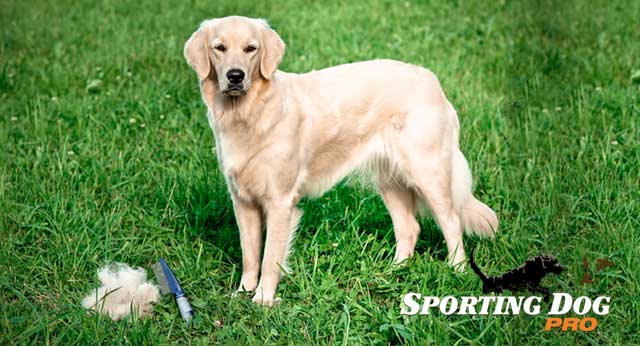
Most hunters don’t think of themselves as groomers. But the post-hunt inspection, the ear check, the pad examination after a day in rough cover — that’s grooming, and a hunter who does it consistently is doing more for his dog’s health and longevity than any amount of premium food or supplements. Regular hands-on contact with your dog is how you find problems before they become serious, and it builds the kind of physical trust that makes a dog easy to examine, treat, and work with in the field.
1. Brushing — health inspection as much as coat care
Regular brushing matters for every coat type, including short-coated breeds that most hunters consider low-maintenance. The mechanical benefit — distributing natural oils, removing loose hair and debris, preventing matting in longer-coated breeds — is real but secondary to the most important function: regular hands-on contact with your dog’s skin and coat.
A dog can’t tell you he has a tick embedded behind his ear, a foxtail awn migrating into his skin, a lump that appeared since last week, or a cut on his flank that’s starting to look infected. A hunter who runs his hands over his dog after every field day finds those things. A hunter who doesn’t find them when the problem has been developing for two weeks and is now significantly worse.
For hunting dogs specifically, post-hunt brushing and inspection is the habit worth building. Check the ears for seeds and debris that can work inward. Check between the toes and pads for embedded material, cuts, and cracks. Run your hands along the sides and under the belly. Feel the neck and shoulders. This takes five minutes and catches most of the problems that end seasons and generate vet bills. For long-coated breeds, daily brushing during hunting season is worth the time to prevent matting and remove the burrs and seeds that accumulate in heavy cover.
2. Bathing — the field environment is dirtier than it looks
Water that looks clean in the field often isn’t. Agricultural runoff, lawn chemical residue, algae blooms, standing water that harbors bacteria — a retriever working pond edges and marshes throughout a hunting season is regularly exposed to things that shouldn’t be left on his skin and coat. Bathing after field exposure removes those contaminants before they cause skin irritation, hot spots, or more serious problems from licking and ingestion during self-grooming.
Bathing frequency depends on field exposure and coat type. A dog that worked a muddy marsh all day needs a rinse at minimum; a dog that was in the field but stayed relatively dry needs less immediate attention. For most working dogs, a thorough bath every one to two weeks during heavy use season is appropriate, with rinses after particularly wet or muddy outings. Year-round bathing frequency can be lower when the dog isn’t in heavy field use.
Use a dog-specific shampoo — human shampoo disrupts the pH balance of a dog’s skin. For a dog that resists bathing, start early in life and make the experience as positive as possible: warm water, calm handling, treats or praise throughout. A dog introduced to bathing as a puppy during a non-threatening experience accepts it readily as an adult. A dog that only encounters bathing when he’s already stressed or in an unfamiliar place associates it with those negative experiences.
Thoroughly dry your dog after bathing and after field work in cold weather. A wet dog in a crate or kennel in cold conditions loses body heat rapidly. Make sure he’s fully dry before kenneling, especially after late-season waterfowl work when water temperatures are low and the dog has been making multiple retrieves.
3. Nail care — affects movement and pad health
Nail length varies significantly based on the surface the dog works on. A dog that runs regularly on pavement, gravel, or rough natural ground will wear his nails naturally and may rarely need trimming. A dog that lives primarily on grass and soft surfaces will need more frequent attention — typically monthly for most dogs in that situation.
The practical test: if you can hear the nails clicking on a hard floor, they’re too long. Nails that are allowed to grow too long shift the angle of the toe, affecting the dog’s gait and putting strain on joints over time. In field conditions, overgrown nails are more likely to catch on vines, wire, or rough terrain and tear — a partially torn nail is extremely painful and can take weeks to resolve.
Trim just the curved tip, well clear of the quick (the pink blood vessel visible in light-colored nails, less visible in dark ones). If you cut into the quick it bleeds and hurts; styptic powder stops the bleeding quickly. Most dogs that resist nail trimming do so because of a prior bad experience with quicking. Going slowly and keeping sessions short and positive with treats builds tolerance. If your dog is genuinely difficult to handle for nail care, your veterinarian or a groomer can do it at an annual visit.
4. Dental care — the most neglected maintenance item
Dental disease affects the majority of adult dogs and is almost entirely preventable. Bacteria accumulate on tooth surfaces, form plaque, and mineralize into tartar that can only be removed professionally under anesthesia. Left untreated, dental disease progresses to periodontal disease — infection in the gum tissue and bone around the teeth that causes chronic pain the dog can’t communicate, and allows bacteria to enter the bloodstream where they contribute to heart, kidney, and liver disease over time.
Annual professional cleanings and regular brushing between cleanings are the standard of care. Brushing even a few times a week is significantly more effective than never brushing, even if you can’t do it daily. Use a toothbrush and dog-specific toothpaste or plain water — never human toothpaste, which contains ingredients that upset a dog’s stomach and isn’t meant to be swallowed. Dog toothpaste comes in flavors dogs accept willingly; the flavor makes compliance easier.
Dental chews provide some mechanical benefit but are not a substitute for brushing. The dog that has been brushed regularly from puppyhood accepts it easily as an adult. The dog that has never been handled around the mouth resists it, which is one more reason to start handling puppies early and thoroughly — mouth, ears, paws, and all.
Regular grooming builds the physical handling tolerance that makes a dog easier to work with in every context — veterinary visits, field first aid, equipment fitting, and daily handling. A dog that accepts being thoroughly examined is a dog you can actually assess when something goes wrong. That’s worth building from puppyhood regardless of what else you train.