You have no items in your shopping cart.
Is Your Dog's Socialization Necessary?
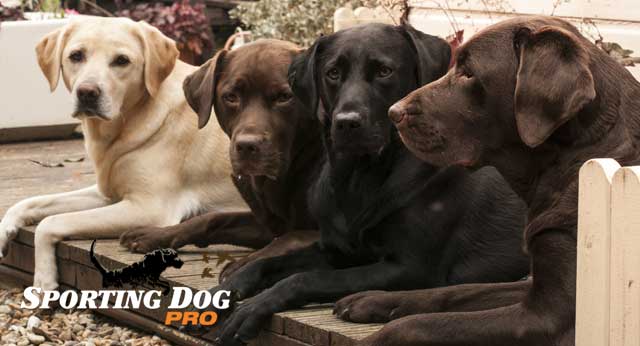
Socialization is one of those training concepts that gets mentioned constantly but rarely explained precisely enough to be useful. In simple terms, it’s the process of exposing your dog to the people, animals, environments, and situations he’ll encounter in life — in a way that builds confidence and appropriate behavior rather than fear or reactivity. It’s not the same as letting your dog run loose at a dog park. Done correctly, it’s a deliberate, managed process with a specific outcome: a dog that can navigate the world without coming unglued.
For a hunting dog specifically, socialization is directly tied to field performance. A dog that has never been around strangers will be distracted and reactive at a hunting club check-in. A dog that has never been around other dogs in a working context won’t honor another dog’s point. A dog that has never experienced loud, sudden noises in a positive context may break badly at the first shot. The social and environmental exposure you build in during puppyhood shows up in how your dog handles the field for the rest of his life.
Puppies vs. adult dogs
The window for the easiest and most impactful socialization is early — the first four months of a puppy’s life represent a critical developmental period where new experiences are processed very differently than they will be later. Puppies in this window tend to approach novel things with curiosity rather than fear, and positive exposures during this period form lasting associations. A puppy that meets a wide variety of people, rides in cars, hears loud noises, walks on different surfaces, and encounters other dogs calmly during this period has a significantly lower baseline anxiety as an adult than one who didn’t.
Adult dogs can absolutely be socialized, but it’s a different process. An adult dog has history — prior experiences that have already shaped how he interprets new situations. A dog that had a bad experience with another dog at eight months may carry wariness around other dogs for years. A dog that was isolated during puppyhood may find new environments genuinely stressful rather than interesting. Socializing an adult dog requires more patience, more careful management of the environment, and realistic expectations about how much ground can be covered and how quickly.
The socialization window doesn’t close entirely at four months — but the ease and depth of the work drops off significantly after that point. Whatever you can do in the first few months, do it. It’s the cheapest and most effective training investment available.
Avoid large groups
Most adult dogs — and many puppies — do not benefit from large, unstructured groups of other dogs. Dog parks and large off-leash play groups look social, but they’re often the opposite of what controlled socialization requires. An overwhelmed dog in a large group doesn’t learn to be social — he learns to be stressed. A typically calm dog can become reactive when he feels crowded or threatened, and one stressed dog in a group can escalate everyone else quickly.
Controlled, smaller introductions produce better outcomes. One or two familiar, stable dogs in a managed setting teach your dog how to interact with other dogs in a way that a chaotic group doesn’t. Quality of exposure matters more than quantity.
Keep your dog with you
This is counterintuitive but important: a properly socialized dog is not one that runs to greet every person and dog he encounters. That behavior — pulling toward strangers, jumping on people, rushing other dogs — is the opposite of what you want. The goal is a dog that can be in the presence of other people and dogs while remaining calm, responsive to you, and not reactive.
Keeping your dog at your side during socialization exposure teaches him that new situations are navigated with you, not away from you. He checks in, reads your calm response to the situation, and adjusts accordingly. A dog that bolts toward every novel thing is a dog that’s making his own decisions about how to handle the world. That’s fine in some contexts; it’s a problem in the field and in social settings where his behavior affects others.
Reward calm, appropriate behavior
When your dog encounters a potentially stimulating situation — another dog, a stranger, a loud noise — and responds with calm, appropriate behavior rather than reactivity, that response needs to be acknowledged immediately. He made the right choice. Praise and reward that choice clearly so he understands what you’re reinforcing.
The same principle applies during leash walking in busy environments, during introductions to new people, and in any situation where your dog could have reacted poorly but didn’t. Dogs repeat behaviors that produce good outcomes. Marking calm behavior with consistent reward builds the habit of calm behavior across situations.
Read your dog and know when to step in
Socialization is not exposure therapy. Putting a dog into a situation that overwhelms him and waiting for him to get used to it — flooding — is more likely to create lasting fear than to resolve it. Watch your dog for signs that he’s approaching his threshold: stiffening, yawning out of context, lip-licking, whale eye, tucked tail, or attempts to move away from the situation. Those are communication signals that he’s uncomfortable.
When you see those signals, remove him from the situation or increase distance from whatever is causing the stress before he escalates to growling or reactivity. Intervening before the behavior escalates is how you prevent the behavior from being rehearsed and reinforced. A dog that is removed from a stressful situation while still calm learns that you will manage the environment for him. A dog that escalates to a growl and then is removed has practiced the growl.
If another dog or person is being inappropriate — pestering, harassing, or ignoring your dog’s discomfort signals — it’s your job to step in. Don’t wait for your dog to manage it himself. He shouldn’t have to.
Your calm, steady presence is the most important tool in socialization. If you’re tense and anxious about how your dog will react, he picks that up and it increases his own anxiety. Stay relaxed, intervene when necessary, and let your steady energy communicate to him that the situation is manageable.
Don’t rush it
Socialization is not a checklist to be completed in a weekend. It’s an ongoing process, and some dogs will always be more social than others regardless of how much work goes into it. Breed matters — some sporting breeds are naturally gregarious and social; others are more reserved by temperament. Individual variation within breeds matters too. Work toward the dog in front of you, not toward an idealized standard that may not fit his personality.
Pushing a dog into social situations faster than he can handle them produces anxiety, not socialization. Progress is made in the space just outside the dog’s comfort zone, not far past it. Consistent, gradual exposure that builds confidence over time produces a dog that can handle the world. Forcing the pace produces a dog that learned the world is threatening.
For gun dogs that will encounter multiple hunters, other dogs, and varied environments in the field, early and thorough socialization pays back every season. Browse our training collar guide for tools that support obedience and control in high-distraction social environments — or call us at 1 (800) 524-2428.