You have no items in your shopping cart.
Keeping Your Dog Protected From Mosquitoes
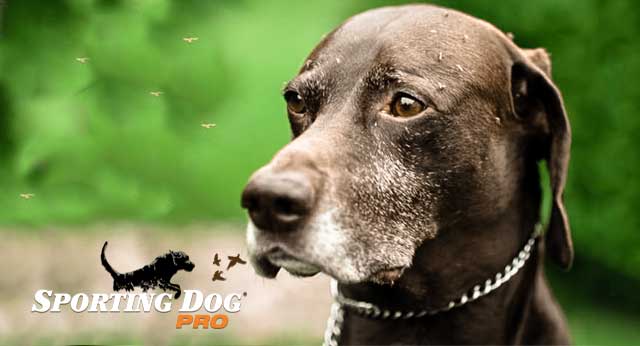
Mosquitoes are annoying to people. To dogs, they’re a genuine medical threat. The reason is heartworms — a parasite that can only be transmitted through a mosquito bite, that grows in the heart and pulmonary arteries of an infected dog, and that causes progressive, potentially fatal disease if not prevented or treated. For hunting dogs that spend significant time outdoors in warm weather, mosquito exposure is a routine part of life. Understanding the risk and managing it properly is basic responsible ownership.
How heartworms work
The heartworm lifecycle requires a mosquito as an intermediate host. Here’s the sequence: a mosquito bites a dog or other animal already infected with heartworms and ingests microscopic larvae called microfilariae along with the blood meal. Those larvae mature inside the mosquito over roughly two weeks. When that mosquito bites another dog, the infective larvae are deposited on the skin and migrate into the tissue through the bite wound.
For roughly the first two months after infection, the larvae remain in the tissues and are vulnerable to heartworm preventive medications. This is the window where prevention does its most important work — killing the larvae before they can reach the bloodstream. After that window, the developing worms enter the bloodstream and begin migrating toward the heart and pulmonary arteries. By five to six months after the original bite, adult heartworms have established in the cardiovascular system. Adult worms can reach twelve inches in length and live five to seven years. Over time, their presence causes progressive damage to the heart, lungs, arteries, and surrounding organs — accumulating silently until clinical disease becomes apparent.
The critical point: prevention works by killing larvae in the early tissue stage. Once worms are established in the cardiovascular system, prevention no longer removes them — treatment does, and treatment is significantly more involved, expensive, and hard on the dog than prevention. A dog that has been on consistent monthly prevention essentially never develops heartworm disease regardless of mosquito exposure.
The American Heartworm Society recommends annual heartworm testing and year-round prevention for all dogs — not just dogs in warm climates. Mosquito species are adapting to colder temperatures, some overwinter indoors, and the consequences of a missed dose followed by an infection are significant enough that year-round prevention is the standard recommendation regardless of region.
Signs of heartworm disease
Early-stage heartworm infection produces few if any symptoms, which is exactly what makes it dangerous. By the time clinical signs appear, the disease has often been progressing for months or years. Early signs when they do appear include a mild persistent cough, reduced exercise tolerance, and fatigue after moderate activity. As the disease advances: more pronounced cough, difficulty breathing, decreased appetite, weight loss, and eventually a distended abdomen from fluid accumulation. In severe cases — what the American Heartworm Society calls “caval syndrome” — a sudden large burden of worms blocks blood flow to the heart and emergency surgical removal is the only option, with a poor prognosis.
Annual testing is the only reliable way to detect heartworm disease before it causes significant damage. The test requires only a small blood sample and is typically run as part of an annual wellness visit. Dogs on consistent prevention should still be tested annually, because no preventive is 100% effective and missed or late doses create exposure windows.
Reducing mosquito exposure
Prevention medication is the primary defense against heartworms, but reducing mosquito exposure makes sense as a supplementary measure, particularly for dogs that spend a lot of time outdoors.
Eliminate standing water. Mosquitoes breed in standing water and can complete their lifecycle in as little as a few days in warm conditions. Bird baths, low spots in the yard that collect rainwater, clogged gutters, empty containers, and poorly drained areas around kennels are all breeding sites. Eliminating them reduces the local mosquito population significantly. Change water in outdoor bowls and waterers frequently.
Active dogs attract more mosquitoes. Carbon dioxide is a primary mosquito attractant, and a dog working hard and breathing heavily exhales significantly more of it than a resting dog. This doesn’t mean you stop working your dogs — it means the prevention medication is doing real work every time your dog is in the field during mosquito season.
Topical repellents and combination products. Several flea and tick treatments such as Advantix also include mosquito repellent. Ask your veterinarian which products are appropriate for your dog. Never use human DEET-based products on dogs — DEET is toxic to dogs and can cause serious neurological problems. Only use products labeled specifically for use on dogs.
Bathing and odor. Mosquitoes are also attracted to strong body odors, particularly in combination with warm, moist skin. Regular bathing reduces this attractant. Use a dog-specific shampoo without heavy perfume — heavy artificial scents can also attract insects.
Mosquito bite allergies
Some dogs develop an allergic reaction to mosquito bites beyond the normal mild irritation. The signs are distinct from a typical bite: significant swelling, welts rather than small bumps, persistent irritation lasting several days, and the dog biting or scratching at the bite site until it bleeds. Repeated scratching can lead to secondary skin infections. If your dog consistently reacts this way to mosquito bites, a veterinary evaluation is worth doing — blood testing can identify specific allergies and your vet can recommend appropriate management, which may include antihistamines or other interventions during high-exposure periods.