You have no items in your shopping cart.
Why Does My Dog Have Bad Breath?
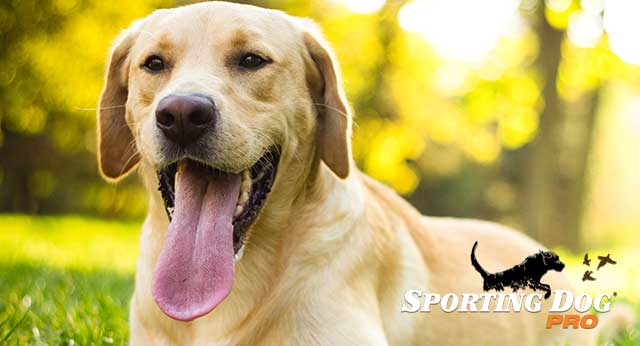
Bad breath in dogs is one of the most commonly ignored health signals there is. Most owners assume it’s normal — dogs have bad breath, that’s just how it is — and move on. Sometimes that’s true. A dog that just finished eating something unpleasant has bad breath for an obvious reason. But persistent halitosis, or breath that changes character and becomes noticeably worse, is worth paying attention to because the underlying causes range from a simple dental cleaning to early kidney disease. Knowing the difference matters.
The most common cause: dental disease
The majority of dog bad breath cases trace back to the mouth itself — specifically to bacteria, plaque, and tartar buildup on the teeth and along the gumline. This is the same mechanism as bad breath in people with poor dental hygiene, and it’s just as preventable. When bacteria accumulate on tooth surfaces and in the gum pockets, they produce sulfur compounds that cause the characteristic odor. Left untreated, that buildup leads to gingivitis and eventually periodontal disease, which causes bone and tooth loss and allows bacteria to enter the bloodstream where they can affect the heart, kidneys, and liver.
Dental disease is the single most common health problem in adult dogs, affecting the majority of dogs over three years old to some degree. Small breeds are disproportionately prone to it because their teeth are crowded into a smaller jaw, creating more surface area for buildup and more difficulty keeping clean. But no breed is immune.
The practical response is regular dental care: annual professional cleanings under anesthesia to remove tartar that brushing can’t reach, combined with regular home brushing between cleanings. Even brushing a few times a week is significantly better than never. Dental chews and water additives offer some benefit but are not a substitute for brushing and professional cleaning.
Dental disease doesn’t just cause bad breath — it causes chronic pain that dogs are very good at hiding, and over time it contributes to systemic health problems that shorten working life. A gun dog expected to perform hard into his later years benefits directly from dental care that starts early and stays consistent.
When bad breath signals something systemic
The character of the odor can point toward the underlying cause, which is why it’s worth paying attention to rather than just noting that it’s bad.
Fruity or sweet-smelling breath is a recognizable sign of diabetes mellitus. It’s produced by ketones in the breath as the body burns fat for fuel rather than glucose. A dog with diabetic breath will typically also be drinking and urinating more than usual and may be losing weight despite a normal or increased appetite. This combination of symptoms warrants a same-day vet call.
Urine-smelling breath is associated with kidney disease or kidney failure. The kidneys normally filter waste products from the blood, and when they’re not functioning properly, those waste compounds accumulate in the bloodstream and get exhaled through the lungs. If your dog’s breath smells like urine, get him to the vet promptly. Kidney disease caught early can often be managed; caught late, the options narrow significantly.
Fecal-smelling breath, particularly when accompanied by yellow or jaundiced gums and vomiting, can indicate liver problems. The liver processes toxins and waste; when it fails to do so, those compounds show up in breath and other symptoms. Yellow gums in a dog are always a reason for urgent veterinary attention regardless of the breath component.
Rotting or particularly foul breath beyond what dental disease typically produces can indicate gastrointestinal issues — acid reflux, obstruction, or gastrointestinal infection. A dog with reflux may have a productive cough followed by a foul-smelling discharge, and persistent GI symptoms are worth evaluating rather than managing with breath-masking products.
Diet-related breath is the most benign category. A dog that eats fish-based food, gets into the trash, eats something dead in the yard, or coprophagic behavior (eating feces) will have bad breath for obvious reasons. If the breath correlates directly with a dietary habit and doesn’t persist between those events, the solution is dietary management rather than medical concern.
Respiratory causes
Dogs that have respiratory infections, chronic nasal discharge, or anatomical issues that cause excessive mouth breathing can develop bad breath from the respiratory tract rather than the mouth or stomach. A dog that is panting excessively at rest, breathing through the mouth most of the time, or has nasal discharge accompanying the bad breath is worth evaluating for a respiratory component. Brachycephalic breeds (flat-faced breeds) are more prone to this category due to their anatomy, though sporting breeds can experience it following illness or injury.
What to tell your vet
When you bring a dog in for evaluation of bad breath, the more specific information you can provide, the faster the diagnosis. Your vet will want to know: when you first noticed it, whether the character of the odor has changed, whether the dog has had any changes in eating, drinking, urinating, or defecating, whether there have been any behavioral changes, whether the dog could have eaten anything unusual or toxic, and what the dog’s current diet is.
Depending on the initial examination, your vet may recommend bloodwork to evaluate kidney and liver function, a urinalysis, or dental X-rays. Don’t resist the bloodwork recommendation for a persistent bad breath problem — ruling out systemic disease is worth the cost, and catching a problem early almost always means more treatment options and better outcomes.
Most cases of bad breath resolve with dental care and don’t indicate serious underlying disease. But the cases that do indicate something serious are exactly the ones where early detection makes the biggest difference. It’s worth finding out which one you’re dealing with.