You have no items in your shopping cart.
The Benefits of A Routine Training Regimen
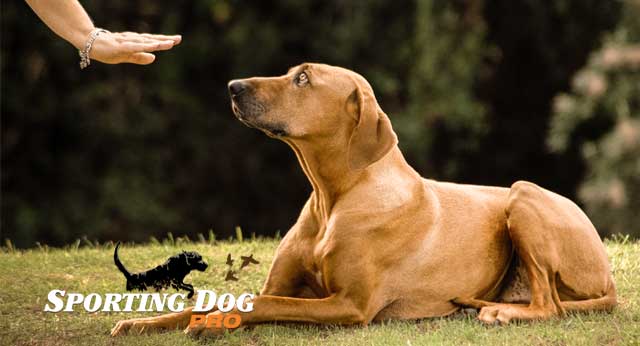
The difference between a gun dog that shows up to opening day ready and one that struggles through the first week almost always comes down to what happened in the eight months before the season opened. Hunting dogs are athletes. Athletes don’t perform at their best when the only preparation they got was the competition itself. A routine that addresses conditioning, training, and nutrition year-round produces a dog that’s physically capable, mentally sharp, and reliable when it matters — not a dog you’re hoping will get his legs under him by the second week.
Why routine matters more than intensity
The temptation when you have limited time is to cram — hard conditioning sessions in the two weeks before the season, marathon training days in August, an intensive push to fix all the problems from last year before October. That approach produces soreness, regression, and burnout more reliably than it produces a prepared dog.
Routine works because it compounds. A dog that works 20 minutes four days a week all summer arrives at fall conditioning in a completely different state than a dog that did nothing for five months and then ran hard for two weeks. Skills that are practiced consistently don’t atrophy. Cardiovascular fitness maintained at a moderate level is significantly faster to rebuild to peak than fitness that was allowed to disappear entirely. The habits — steadiness, handling, recall, marking — stay sharper when they’re touched regularly rather than drilled intensively and then abandoned.
Routine also benefits the dog’s mental state. A dog that works regularly is calmer, more focused, and more engaged than a dog oscillating between months of inactivity and bursts of intensive pressure. The expectation that work happens is itself a form of stability.
Conditioning: you can’t rush it
Physical conditioning is the component most hunters shortchange, and it’s the one where the consequences are most visible. A dog pushed hard before he’s ready will come up sore, lame, or burned out. Soft pads split. Muscles fatigue and joints take impact they’re not prepared for. Heat stress hits sooner than it would on a conditioned dog.
Start building condition six to eight weeks before the season opens. The progression matters: begin with lower-intensity, longer-duration work — extended walks, light terrain work — and gradually increase both intensity and specificity as the season approaches. Running on the terrain type you actually hunt (rough ground, hills, cover) conditions the specific muscle groups and movement patterns the dog will use. Running on flat grass is better than nothing but it’s not the same.
Pads are often overlooked. They toughen with exposure to rough surfaces — gravel, stubble, natural ground — and soften quickly without it. A kennel dog that runs on grass and smooth surfaces all summer will have soft pads that crack and split in the first few days of a real hunt. Building in regular exposure to harder surfaces during the off-season addresses this without any special effort.
In the off-season, the goal isn’t peak condition — it’s maintenance. A dog that stays reasonably fit year-round is always a few weeks from hunting-ready rather than several months. Your dog doesn’t experience conditioning as work the way you might. He experiences it as the thing he was bred for and wants to do. Take advantage of that.
Training: consistency beats marathon sessions
Training sessions that drag on produce a dog that’s mentally disengaged before you’re finished. The last twenty minutes of a ninety-minute session with a tired, distracted dog aren’t building anything — they’re practicing inattention. Fifteen to twenty focused minutes with a clear objective and a clean ending on a success produces better results and a dog that looks forward to working.
What gets trained in the off-season is what shows up reliably in the field. Recall, steadiness, marking, handling — the behaviors that matter when a bird is in the air and everything is happening at once. Those behaviors don’t stay sharp without practice. A recall that was solid last October and hasn’t been worked since April will test you in November.
Build the off-season training around the things that broke down last season. Those are your data points. If the dog was breaking on flushes by the end of the season, steadiness work in the spring and summer gives you months to rebuild it before you need it. If the recall was unreliable in heavy cover, that’s a specific thing to address specifically — not something to hope improves on its own.
Having the right equipment makes consistent training sessions easier. Our training collar guide covers the full lineup by application — from family dog systems to professional multi-dog setups. Browse training gear including launchers, dummies, and blinds for building complete field skills.
Nutrition: fuel the work you’re asking for
Feeding a hunting dog in hard work the same amount as feeding him in maintenance is one of the most common nutritional mistakes. A dog burning significant calories in conditioning and hunting needs more food — specifically more fat and protein — than a dog resting in a kennel. Performance dog foods with higher fat content exist specifically because fat is the primary fuel source for sustained aerobic work. A maintenance food that’s fine for the off-season may be genuinely inadequate for a dog working hard through a long hunting season.
Transition to a higher-performance food a few weeks before the season starts rather than on opening day. The digestive adjustment takes time and you don’t want to add dietary disruption to the stress of the first hard hunt days.
Watch body condition throughout the season, not just at the start. A dog that loses noticeable condition over the first two weeks of the season despite adequate feeding may need more food, a higher-energy formulation, or both. A dog that arrives at the end of the season ten pounds lighter than he started was underfueled for the work he did. Monitor it and adjust in real time.
Water is as important as food during work. A working dog in warm conditions can dehydrate faster than most hunters account for. Carry water, offer it regularly during the hunting day, and make sure your dog has unlimited access to fresh water in camp and at the kennel.
The payoff
A dog on a consistent year-round regimen of conditioning, training, and appropriate nutrition doesn’t just perform better in the field — he holds up better over a career. The dogs that hunt hard and stay sound at nine and ten years old are almost always dogs whose owners treated the off-season seriously. The investment is modest in time and effort relative to the return. Your dog doesn’t have an off-season in his mind. He’s ready to work whenever you are. The routine is on you.