You have no items in your shopping cart.
Tips To Help Avoid Injuries With Your Gundog
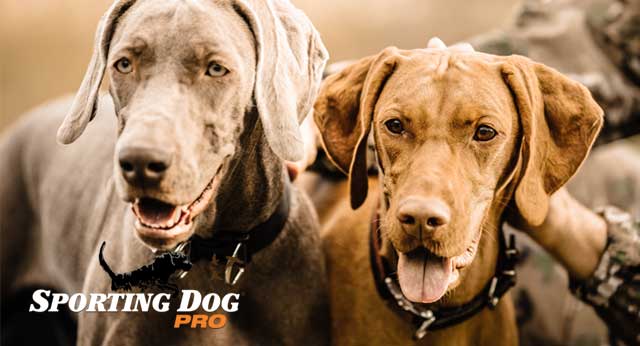
A hunting dog doesn’t know when to quit. That’s one of the things that makes a good gun dog great, and one of the things that makes him vulnerable. He will push through pain, fatigue, and heat that would stop a person, and he will do it without complaint until his body fails. The responsibility for knowing when enough is enough falls entirely on the hunter. Most field injuries are preventable. Here’s how to prevent them.
Condition before the season, not at it
The most common cause of early-season injuries is a dog that went from summer kennel life to full hunting days without a conditioning period. Soft pads, weak cardiovascular fitness, untested joints — all of it shows up in the first week of the season as soreness, lameness, or worse. A dog pushed hard before he’s ready will be sore by noon on opening day and possibly injured by midweek.
Start building conditioning six to eight weeks before the season opens. Begin with longer walks, progress to runs, then runs in actual hunting terrain. Pads toughen with use — running on gravel, stubble, and rough ground prepares them for the field. By opening day the dog should be capable of a full day without significant soreness the next morning. That standard is achievable with consistent preparation and impossible to fake.
Warm up before hard work
Pulling a dog out of a truck box and immediately running him hard in cold temperatures is a reliable way to produce a muscle injury. A cold muscle is an inelastic muscle, and an inelastic muscle tears more easily than one that’s been warmed up. Give your dog ten to fifteen minutes of easy walking before you ask him to run. In cold weather, this matters more. In very cold conditions, a dog that’s been riding in an unheated box for hours needs time to come up to working temperature before you push the pace.
The same principle applies on the back end. After a long hard day, a slow cooldown walk before crating or kenneling helps the dog’s muscles recover better than going from flat-out to standing in a box.
Watch the pads
Pad injuries are among the most common field injuries and among the most preventable. Cuts from sharp stubble, splits from rough frozen ground, burns from hot pavement, cactus spines, and ice balls packed between the toes are all regular occurrences that most hunters encounter. The problem is that a working dog will often continue working on a pad injury that would shut a person down, masking how serious the damage is until you check.
Check pads regularly throughout the day — especially after moving through rough terrain. A cut that’s found and wrapped in the field stays minor. The same cut left untreated, worked on for another three hours, and then kenneled wet overnight becomes an infected wound. Carry gauze and cohesive bandage wrap in your vest. A boot or wrap can keep a dog working for the rest of the day on a minor pad cut. Know how to use it.
Toughening pads before the season through regular contact with rough surfaces is the best prevention. A pad that’s been conditioned on gravel and crop stubble handles hunting terrain significantly better than one that’s spent the summer on grass.
Manage heat seriously
Heat exhaustion and heat stroke are genuine emergencies that develop faster than most hunters expect. A dog working hard in 80-degree weather can reach dangerous core temperatures within an hour. Humidity compounds the problem significantly — dogs cool primarily through panting, which is less effective in humid conditions.
Warning signs: panting that becomes rapid, labored, or frantic; excessive drooling; slowing pace or stumbling; glazed eyes; gums that are pale or bright red rather than normal pink. At the first sign of heat stress, stop immediately, move to shade, and get cool water on the dog — especially on the paws, groin, and underside. Cool water is more effective than cold water; ice can cause blood vessels to constrict and slow cooling. If the dog doesn’t respond quickly, get to a vet.
Prevention: limit hard running in high heat, schedule work in early morning or evening, carry enough water for your dog and offer it regularly, and build in shade breaks. Don’t leave a dog in a vehicle in warm weather even briefly.
Water and nutrition on hunting days
A working dog’s hydration and caloric needs are significantly higher than a resting dog’s, and most hunters underestimate both. A dog running hard for hours needs water frequently, not just at the end of the day. Carry water and offer it every 30 to 45 minutes of active work. Dehydration degrades performance before it produces obvious symptoms — a dog that seems to be slowing down late in the day is often a dog that needed more water three hours ago.
On nutrition: don’t work a dog hard on a full stomach, particularly deep-chested breeds susceptible to bloat. Feed the night before and a light meal after the day’s work is done. A performance dog food with higher fat and protein content supports sustained output better than a standard maintenance diet during heavy hunting periods.
Know the difference between tired and injured
A dog that’s tired slows down evenly and recovers with rest. A dog that’s injured moves differently — favoring a limb, shortening his stride, moving stiffly, or showing reluctance to work cover he would normally drive through. Learning to read your dog’s normal movement well enough to recognize when something is off is one of the more important skills a gun dog handler develops over time.
If something seems wrong, stop and check. Run your hands along the legs, check the pads, feel the shoulder and hip muscles for tension or flinching. A dog that flinches when you palpate a muscle or joint is telling you something. Don’t push through it hoping it resolves. Rest it. If it doesn’t resolve overnight, see a vet before hunting the dog again.
Carry a basic field kit
Every hunter who runs a dog should carry the means to provide basic field first aid. At minimum: wound closure strips, gauze pads, cohesive bandage wrap, tweezers for thorns and foxtail awns, and saline flush for eye irrigation. A minor wound cleaned and wrapped in the field heals. The same wound left open, packed with dirt, and worked on for the rest of the day develops an infection that costs you a week of hunting and a vet bill.
Know where the nearest emergency vet is before you go into the field. Cell service in the best hunting country is often unreliable. Write the number down. The five minutes it takes to look that up before the hunt is worth considerably more than trying to find it on a bad connection with an injured dog in your lap.
Knowing where your dog is in heavy cover gives you the ability to get to him quickly when something goes wrong. A GPS tracking collar is the most practical tool for locating a dog that’s gone quiet or hasn’t come in — whether from injury, a hang-up in cover, or simply working out of range. Browse our full GPS lineup at Sporting Dog Pro.