You have no items in your shopping cart.
Gun Dog Training
Tips & Techniques
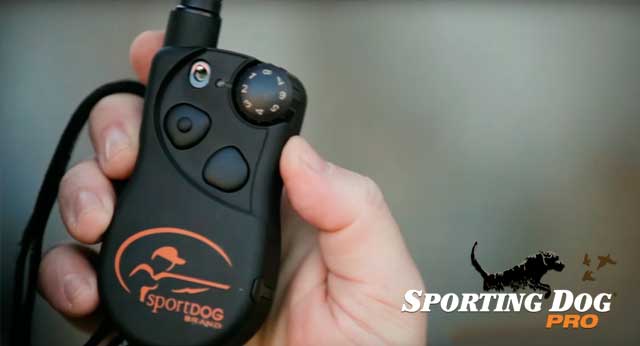
One of the most common mistakes new e-collar users make is setting the level too high out of impatience, and one of the most common mistakes experienced users make is leaving it too low out of reluctance. Neither produces good training. Finding and using the right level — and knowing when t...
Read More
The question comes up constantly: when can I put an e-collar on my puppy? The answer most experienced trainers give is somewhere between 5 and 7 months, depending on the dog — but that number without context is almost meaningless. The real answer is: when the dog understands what you’...
Read More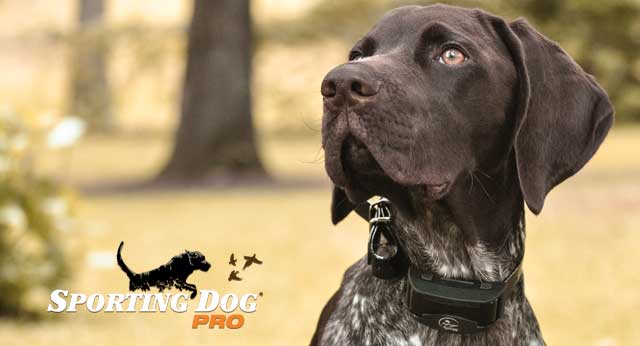
The first time most people use an e-collar they’re surprised at how well it works. The second thing they usually notice is that the dog seems to forget everything the moment the collar comes off. That gap between performance with the collar and performance without it is the most common sign...
Read More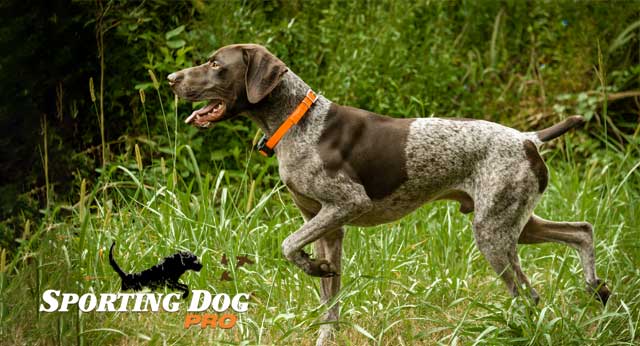
There are few things in bird hunting as satisfying as watching a well-bred pointer lock up on scent. The dog freezes mid-stride, tail rigid, muzzle aimed like a compass needle, every muscle in his body strung tight with instinct he was born with. His heart rate goes up. His body temperature rises...
Read More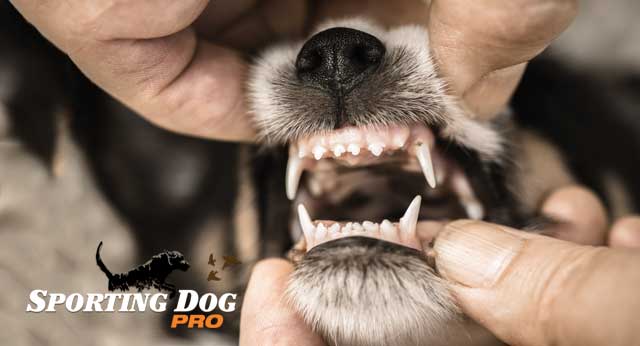
Biting is communication. That’s worth understanding before anything else, because the way you respond to a dog that bites should depend entirely on what he’s communicating. A puppy that bites your hand during play is doing something completely different from a dog that bites out of fe...
Read More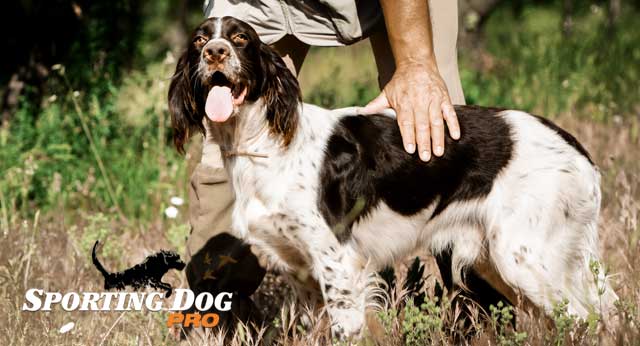
One of the most common complaints from dog owners who’ve hired a professional trainer goes something like this: the dog performed well in training but acts completely different at home. Or: the trainer used methods I didn’t understand and now my dog doesn’t respond to me the way...
Read More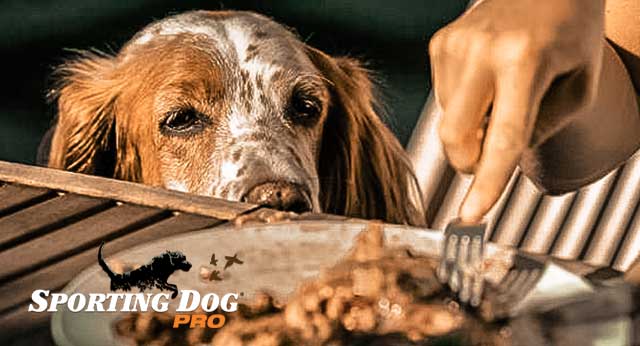
A begging dog at the dinner table is annoying. A begging dog in a hunting camp, around other people’s food, jumping on guests, or pestering kids with plates is a problem. But for a gun dog specifically, begging is more than a nuisance behavior — it’s a symptom of a broader issue...
Read More
Barking is the most polarizing thing a dog does. Some people can’t stand any of it. Others can’t understand why anyone would want to stop it. Both positions make sense depending on your situation — whether your dog is a guard dog, a hunting dog, a kennel dog with neighbors, or a...
Read More
A hunting dog doesn’t know when to quit. That’s one of the things that makes a good gun dog great, and one of the things that makes him vulnerable. He will push through pain, fatigue, and heat that would stop a person, and he will do it without complaint until his body fails. The resp...
Read More
The difference between a gun dog that shows up to opening day ready and one that struggles through the first week almost always comes down to what happened in the eight months before the season opened. Hunting dogs are athletes. Athletes don’t perform at their best when the only preparation...
Read More
Teaching a dog to drop — to release whatever is in his mouth cleanly, on command, into your hand — is one of those skills that seems simple and gets overlooked until it becomes a problem. For a retriever or bird dog, it’s not a nice-to-have. A dog that won’t release cleanl...
Read More
A handler who understands how his dog learns trains more efficiently, makes fewer mistakes, and produces a more reliable dog. Most training problems — commands that don’t stick, behaviors that regress, dogs that perform in the yard but fall apart in the field — have a learning m...
Read More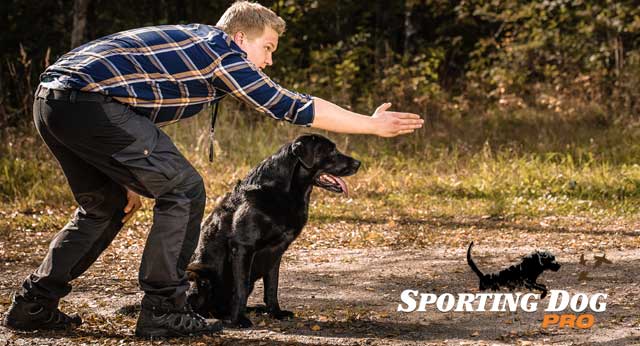
Most hunters decide they want to train their own gun dog before they even pick up the puppy. That instinct is right — the relationship you build through the training process produces a different kind of partnership than handing the dog off to someone else and picking him up finished. But se...
Read More
Formal gun dog training has a starting point — a date, a program, a set of tools, a deliberate structure. Casual training doesn’t. It begins the day the puppy comes home and it never really stops. It’s the sum of every interaction, every walk, every meal, every correction and re...
Read More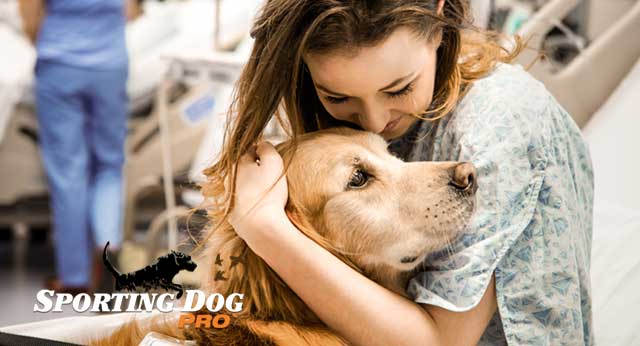
Most hunters already know their dog does something for them beyond the hunt. The dog that settles at your feet at the end of a long day, the one that reads your mood before you do, the one that gets you outside and moving when nothing else would — that’s therapy, even if nobody calls ...
Read More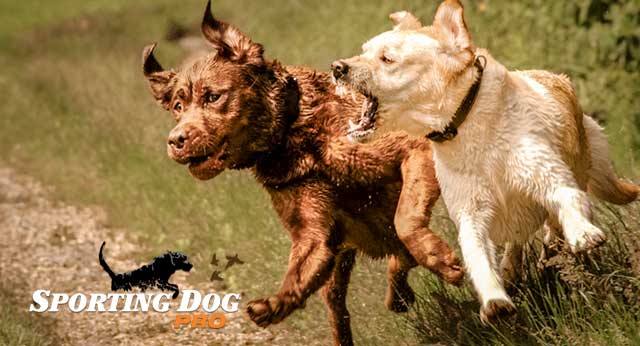
Most aggression problems in adult dogs were preventable. That’s not a comfortable thing to hear if you’re dealing with one, but it’s useful to understand because it means the same behaviors that allow aggression to develop are also the behaviors you can change to stop it early. ...
Read More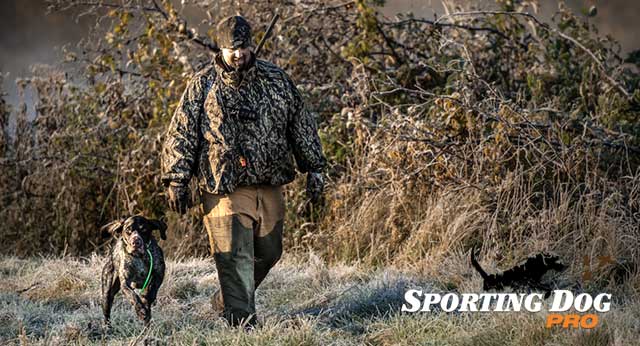
For many of us the opening day of dove season is a social hunt. For lots of folks I think opening day might be the only day they dove hunt all year. It is often associated with pig pickin’s (a Southern thing) and all sorts of other meals that bring people together. Again, it’s a celeb...
Read More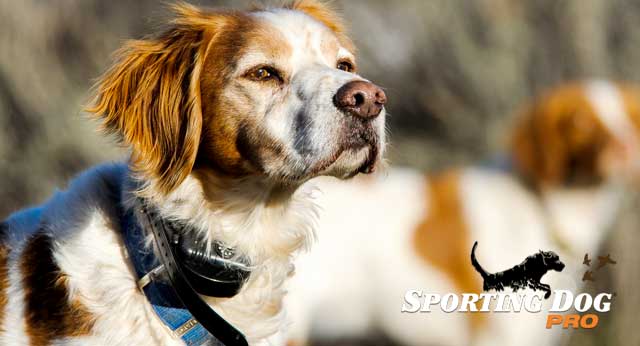
It’s easy to get caught up in the excitement of the first year's hunt, however, now’s the time to go ahead and set the tone for a well behaved and well cared for hunting dog. For most states, the beginning of September marks not only the beginning of Mourning Dove season, but it also serves ...
Read More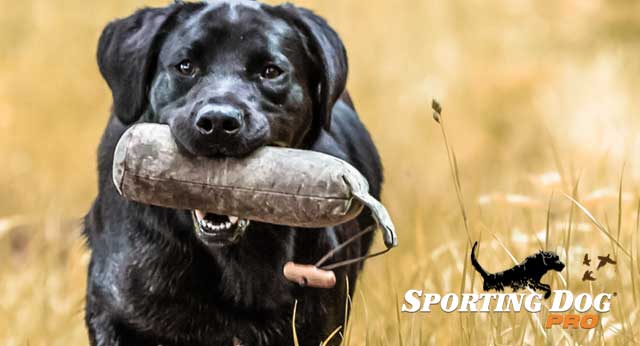
Training equipment doesn’t make a dog trainer. But having the right tools, understanding what each one does, and knowing when to use them makes the training process significantly more efficient. A handler who reaches for the wrong tool at the wrong time — or who skips foundational too...
Read More
Dog training is straightforward in principle and genuinely difficult in practice. The principles don’t change much — clear communication, consistent consequence, appropriate timing, patience. What trips people up is not understanding the principles but failing to apply them consistent...
Read More
“You can’t teach an old dog new tricks” is one of those sayings that survives because it sounds true and because giving up on an older dog is easier than figuring out why the training isn’t working. The actual truth is that older dogs can learn new behaviors, unlearn old o...
Read More
The mechanics of giving a command seem straightforward until you watch someone train a dog and notice how many small things they’re getting wrong — commands given without expectation of compliance, repeated without follow-through, delivered in tones that communicate the opposite of wh...
Read More
Ask professional gun dog trainers what single piece of equipment they’d be least willing to give up, and the check cord comes up repeatedly. It’s a simple tool — a length of stiff, tightly woven cord with a snap on one end — but it solves a problem that no other training t...
Read More
When you begin training your dog whether it is for obedience, retrieving or hunting, one thing remains the same, if you give, he will take. Developing a standard for each command will make all the difference. There is nothing quite as frustrating as having a dog who won’t listen or having a...
Read More
Growing up, I have a vivid memory of my dad’s favorite hunting dog, King. He was mostly white and stood taller than all the other hounds in the pack — strong and stately, and I suppose that’s how he got his name. But that isn’t the reason King stands out in my mind. King h...
Read More
There are numerous proven methods to train a Beagle to rabbit hunt, and most of them work when applied consistently. The best method is the one you’ll actually stick with. What matters most isn’t the specific technique — it’s persistence, repetition, and starting with the ...
Read More
Most people think of a bark collar as a nuisance-barking solution — a way to stop a dog from keeping the neighbors awake or turning a kennel into a noise problem. That’s what they’re most often purchased for, and they work well in that application. But there’s a secondary ...
Read More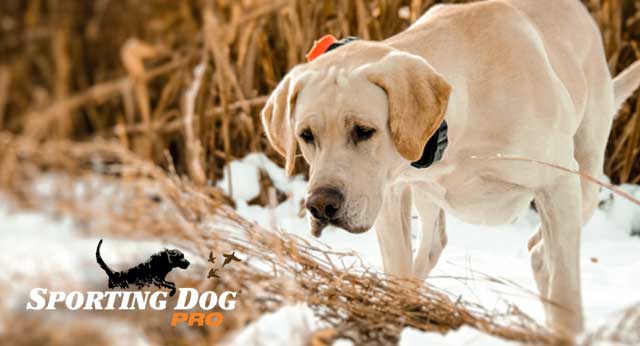
If you’ve hunted pointing dogs for any length of time, you already know the problem a beeper collar solves. The dog drives into thick cover and disappears. You stop and listen. You can’t hear bells anymore. You don’t know if she’s still running, locked up on point fifty ya...
Read More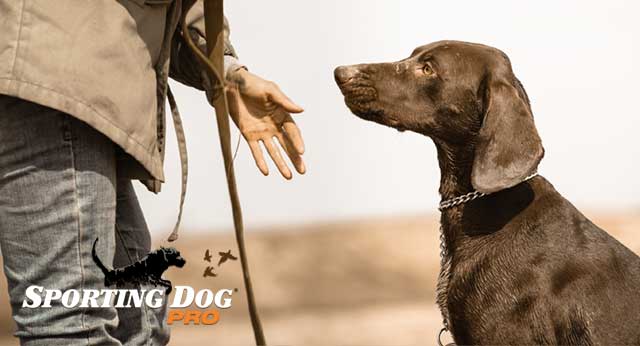
Sit is simultaneously the most basic command in dog training and the one with the most practical applications. It’s the foundation for stay. It’s the default position for everything from greeting visitors to holding steady at the line. It’s the command that creates a pause betwe...
Read More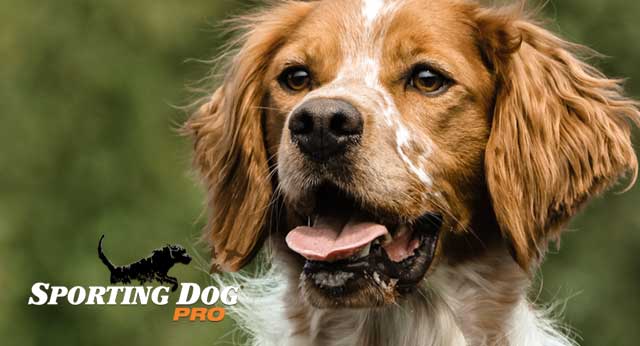
Using an e-collar to address anxiety in dogs seems contradictory on the surface — adding a correction tool to a dog that’s already struggling with stress. But the application described here isn’t about correcting anxiety. It’s about using the e-collar to redirect an anxiou...
Read More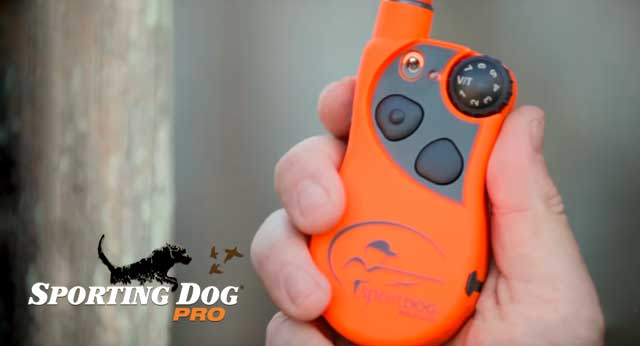
The e-collar market has more options than most buyers realize when they start looking, and the differences between systems are real — not just marketing. A collar that’s right for a close-working family dog is meaningfully different from what a hound hunter running dogs across miles o...
Read More
You brought home the puppy, and within the first hour something got chewed that shouldn’t have. That’s not a problem puppy — that’s a puppy. Chewing, nipping, and getting into everything accessible is exactly what puppies do, and the question isn’t how to stop a pupp...
Read More
A retriever puppy’s first exposure to retrieving sets a tone that carries forward through every subsequent training session. Get it right early and you’re building on a foundation of enthusiasm and positive association. Push too hard, go too long, or introduce pressure before it&rsquo...
Read More
A waterfowl retriever that hasn’t been prepared for the specific conditions of a duck hunt is going to have a rough opening morning. The boat he’s never been in, the decoys he’s never seen deployed, the calls he’s never heard, the gunfire from multiple positions at once &m...
Read More
Steadiness and trust are the two qualities that separate a hunting dog that’s genuinely useful from one that’s intermittently useful. A steady dog holds his position until sent, regardless of what’s happening around him — birds falling, other dogs breaking, guns going off....
Read More
The best dog trainers aren’t necessarily the ones who know the most advanced techniques. They’re the ones who apply a few fundamental principles consistently over a lifetime of handling. The four tips in this article are not new ideas. They’re the principles that show up in ever...
Read More
Socialization is one of the most consequential investments you make in a dog’s early life, and one of the most frequently misunderstood. It’s often treated as a nice-to-have — something you do if circumstances allow, in whatever form is convenient. In reality, socialization duri...
Read More
Separation anxiety in dogs ranges from mild discomfort when left alone to a full-scale behavioral crisis that results in destruction, self-injury, and neighbors calling about the noise. The approach that helps a mildly stressed dog settle while you’re at work is not the same approach that h...
Read More
The down command — asking your dog to drop fully to the ground with his abdomen on the floor and his front legs extended — is one of the more useful commands in the obedience toolkit, and one that many owners skip or undertraining because it seems less urgent than sit or recall. That’s ...
Read More
Gun shyness is one of the most difficult problems to fix in a hunting dog, and it is almost always created by the handler rather than something the dog was born with. A dog doesn’t emerge from the whelping box afraid of gunfire. He becomes afraid because he was exposed to it under the wrong...
Read More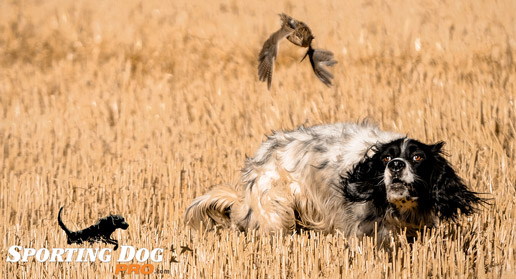
Prey drive is the quality that separates a dog that hunts from a dog that goes along for the walk. It’s the instinctive compulsion to find, pursue, and capture prey — the internal engine that keeps a dog working when the scent goes cold, that drives him into cover that would stop a le...
Read More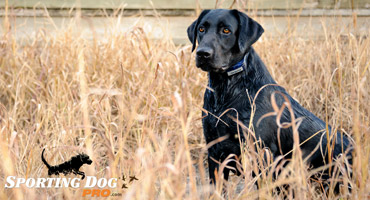
Of all the commands a hunting dog needs to know, the stop command may be the most consequential. Sit, down, and recall are essential for a well-managed dog. But stop — the command that freezes a dog in place immediately, wherever he is, whatever he’s doing — is the command that ...
Read More
Cold weather conditioning for hunting dogs is one of those preparation topics that sounds simple and turns out to matter more than most hunters expect. A dog that lives inside year-round and gets pulled out for a December duck hunt in 35-degree water is physiologically unprepared for what you&rsq...
Read More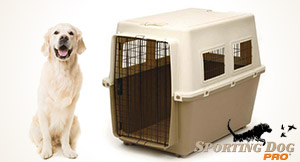
Crate training is one of the most useful things you can do for a new dog, and one of the most misunderstood. The most common objection — that crating feels cruel or confining — comes from projecting human feelings onto a dog whose instincts are actually well suited to a den environmen...
Read More
A reliable recall is the most important command a dog can have, and one of the most commonly undertrained. Most dogs will come when called in the backyard with no distractions. The recall that matters — the one that brings a dog back from a hot trail, away from a road, out of a shooting lan...
Read More