You have no items in your shopping cart.
The Hunter's Responsibility to the Hunting Dog
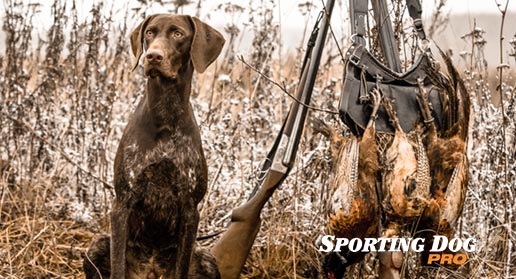
A hunting dog works harder in a single day than most dogs work in a month. He covers ground at a run for hours, absorbs cold water, thorns, and rough terrain, and does it without complaint. The least a hunter owes him is honest preparation and honest care — not sentiment, but competence. What follows is a practical accounting of what that actually looks like.
Conditioning starts before the season, not at it
A dog that goes from summer kennel life to opening day of pheasant season is not ready. His pads are soft, his cardiovascular system hasn’t been stressed, and his joints haven’t been tested under load. A dog pushed hard before he’s conditioned will come up lame, sore, or burned out by midday — and you put him there.
Start building condition six to eight weeks before the season. Long walks become longer. Walks become runs. Runs become runs in terrain. By the time the season opens, your dog should be capable of a full day in the field without significant recovery the next morning. Work up to that honestly. A dog that can’t finish a training day in September has no business hunting a full day in November.
Pads toughen with use. If your dog is kenneled on soft surfaces all summer, his pads will split and crack on the first hard hunt. Running him on gravel, stubble, and rough ground in the weeks before the season fixes that. It’s not complicated, but it requires planning.
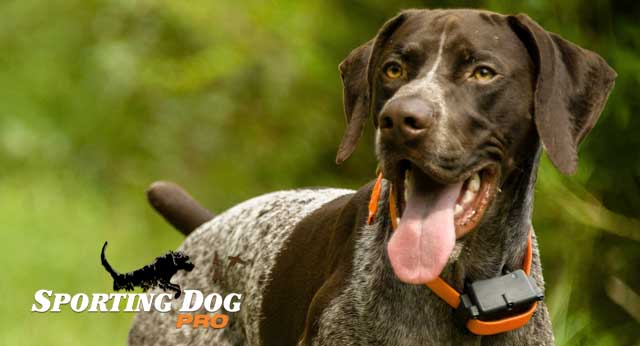
A well-conditioned dog working at range deserves a way to keep track of him. Browse our full lineup of GPS tracking collars — or if you’re still building obedience and steadiness before the season, start with our training collar guide.
Feeding a working dog is different from feeding a house dog
A hunting dog burning 1,000 calories a day in the field needs more food than the same dog sleeping in a kennel. The mistake most hunters make is feeding the same amount year-round and wondering why their dog is flagging by afternoon. Performance dog foods with higher fat and protein content exist for this reason — they fuel sustained output in a way that standard maintenance diets don’t.
Don’t feed a full meal immediately before a hard hunt. A dog with a full stomach working hard is a candidate for bloat, particularly deep-chested breeds. Feed the night before, offer water freely in the morning, and feed again after the day’s work is done. Water access throughout the day is non-negotiable — dehydration degrades performance faster than almost anything else.
Know what your dog is telling you in the field
Dogs don’t complain. A dog that’s sore, overheated, or exhausted will keep working because that’s what he’s bred to do. It’s on you to read the signs before he gets into trouble.
Watch for slowing pace, excessive panting beyond what the conditions warrant, reluctance to enter cover, or a gait that looks off. Check pads regularly throughout the day — cuts, splits, and cactus spines are common and easy to miss if you’re not looking. In hot weather, stop before the dog needs you to stop. A dog that goes down in the field from heat exhaustion is a dog that was pushed past what was reasonable.
Cold water hunting carries its own risks. A retriever working icy water in November will exhaust his core temperature reserves faster than you think. Watch for shivering that doesn’t stop between retrieves. Get him warm and dry before he gets hypothermic, not after.
Field first aid is a basic competency
Every hunter who runs a dog should carry a basic field kit and know how to use it. At minimum: wound closure strips or staples, gauze, cohesive bandage wrap, tweezers, and saline flush. Foxtail awns, wire cuts, and thorn punctures happen on almost every serious hunt. A minor wound cleaned and wrapped in the field stays minor. The same wound left untreated becomes an abscess that costs you a week of hunting and a vet bill.
Know the location of the nearest emergency vet before you go into the field, especially in remote areas. Cell service in the best pheasant country is often non-existent. Write the number down before you need it.
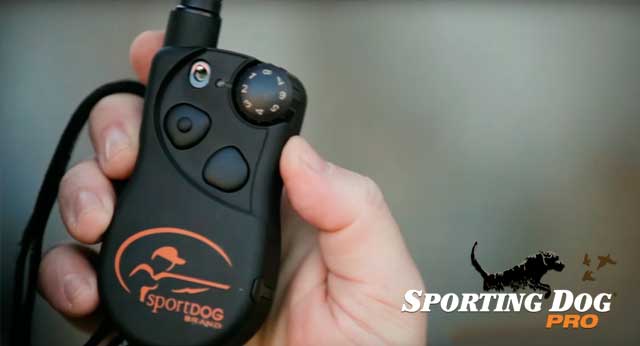
Knowing where your dog is in the field is the first step toward getting to him quickly if something goes wrong. The Garmin Alpha 300 and Dogtra Pathfinder 2 both combine GPS tracking with e-collar control in a single system.
Recovery is part of the job
What happens after the hunt matters as much as what happens during it. A dog that hunted hard needs to dry off completely before going into a crate or kennel — a wet dog in an enclosed space in cold weather loses core temperature fast. Check his feet for cuts, embedded material, or swollen pads. Feel for soreness along his back and shoulders. Let him eat, drink, and rest before you put him away for the night.
A dog that gets proper recovery between days of hunting can sustain a full season. A dog that doesn’t will break down in the middle of it. Day-after soreness that doesn’t resolve is a signal to back off, not push through. Hunting a lame dog harder doesn’t fix the problem.
Veterinary care is not optional
Annual vaccinations, heartworm prevention, and tick control are baseline requirements for any hunting dog. Leptospirosis is worth discussing with your vet if your dog works around standing water — it’s endemic in many parts of the country and often overlooked. Lyme disease vaccination makes sense in endemic regions if you hunt brushy or wooded terrain. Pre-season vet checks catch problems before they become season-ending problems.
If your dog is limping, not eating, or behaviorally off after a hunt, get him seen. Dogs don’t fake it.
The crate is not a punishment
A dog that spends his off-season in a secure, well-ventilated kennel with regular exercise, human contact, and mental stimulation arrives at hunting season ready — not wound tight from boredom or soft from too much couch time. Crates during transport protect the dog from injury in a sudden stop and keep him calm and contained. A dog that associates his crate with rest and security handles the transition between hunting and downtime better than one who doesn’t.
The relationship between a hunter and a gun dog is functional at its core — the dog does a job, you make it possible for him to do that job well and safely. Everything on this list is just what competent dog handling looks like when you write it down.