You have no items in your shopping cart.
Tips To Care For Urinary Tract Issues In Dogs
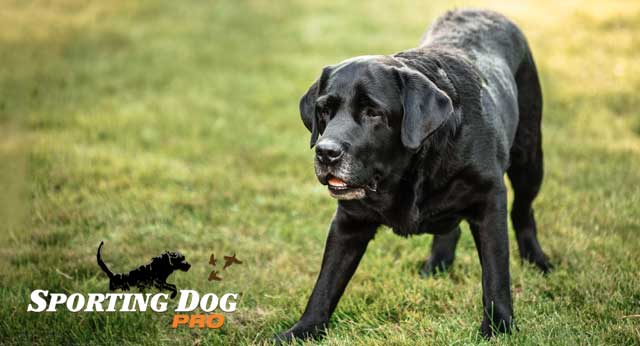
A well-trained dog that suddenly starts having accidents in the house, asks to go out far more frequently than usual, or strains and produces little urine when he does go is almost certainly dealing with a urinary tract problem. In most cases that problem is a urinary tract infection (UTI) — a bacterial infection of the bladder or urethra that makes urination painful, urgent, and difficult. Recognizing the signs early and responding correctly makes a significant difference in how quickly the dog recovers and whether the infection progresses to something more serious.
Signs of a urinary tract infection in dogs
The most recognizable signs are changes in urination behavior. Increased frequency — needing to go out far more often than normal — combined with small amounts of urine when he does go is the classic UTI pattern. The infection creates urgency without the ability to fully empty the bladder, so the dog feels the need to urinate constantly but produces little each time.
Other signs to watch for: straining or apparent discomfort while urinating, whimpering or vocalizing during urination, licking at the genital area more than usual, urine that is cloudy or has an unusually strong odor, and blood in the urine. Blood in the urine is a sign that warrants a same-day vet visit — don’t wait on that one.
In older dogs, what looks like a UTI can sometimes be a sign of something else — bladder stones, prostate problems in males, hormonal incontinence in spayed females, or in some cases bladder cancer. If your dog has recurring UTIs, or if a UTI doesn’t resolve with a standard course of antibiotics, further diagnostic work is worth doing rather than continuing to treat the symptom.
What causes UTIs in dogs
Infrequent bathroom breaks. The most common preventable cause. Urine that sits in the bladder for extended periods allows bacteria to multiply. A healthy adult dog should have the opportunity to urinate at least four to five times per day. Dogs that are routinely held longer than that are at elevated risk for recurrent UTIs. This is a particular concern for kenneled dogs or dogs left alone for long work days without a midday break.
Dehydration and insufficient water intake. Dogs that don’t drink enough water produce more concentrated urine, which is a better environment for bacterial growth and less effective at flushing the bladder. Fresh, clean water available at all times is basic prevention.
Bladder stones or crystals. Mineral deposits in the bladder irritate the bladder lining, disrupt normal urinary function, and create conditions that favor bacterial infection. Some breeds are predisposed to certain types of stones. Diet plays a role, and recurrent UTIs should prompt an evaluation for stones.
Anatomical factors. Female dogs are significantly more prone to UTIs than males due to the shorter urethra, which gives bacteria a shorter path to the bladder. Females that are built with a recessed vulva are at particularly elevated risk because the conformation traps moisture and bacteria.
Hormonal changes. Intact females can experience hormonal shifts through heat cycles that affect the urinary tract. Spayed females have a higher rate of hormonal urinary incontinence than intact females, though this is a different condition from a UTI.
Stress and immune suppression. Significant stressors — a new animal in the household, travel, a major routine change — can suppress immune function and increase susceptibility to infection. A dog that develops a UTI shortly after a stressful event isn’t a coincidence.
Spinal or neurological injury. Dogs that have experienced spinal trauma, disc disease, or neurological problems may have impaired bladder control, which can lead to incomplete bladder emptying and recurring infections. If your dog has a history of back problems and develops recurrent UTIs, connect those dots for your vet.
Age-related changes. Older dogs are more prone to UTIs for several reasons: weakened immune function, hormonal changes, prostate enlargement in intact males, and decreased bladder muscle tone. Routine wellness checks become more important as your dog ages, particularly if urinary changes appear.
Prevention
The two most effective preventive measures are straightforward: frequent bathroom access and constant availability of fresh water. A dog that urinates regularly and drinks enough water to keep urine dilute is significantly less likely to develop UTIs than a dog that doesn’t.
Keep the area around the genitals clean and dry, particularly in females. After swimming, field work in wet conditions, or bathing, make sure the area dries properly. Moisture that sits creates conditions for bacterial growth.
For dogs that have had recurrent UTIs, some veterinarians recommend cranberry supplements or cranberry juice added to water as a mild preventive measure. The evidence isn’t as strong as it is in human medicine, but the mechanism — compounds that inhibit bacterial adhesion to the bladder wall — is plausible and the intervention is low-risk. Discuss it with your vet as part of a prevention plan rather than as a replacement for treatment.
For kenneled dogs or dogs that spend extended time outdoors, reliable access to fresh water is essential. Browse our waterers and bowls for automatic and gravity-feed options that keep water available and clean without requiring constant attention.
When to see the vet
UTIs in dogs don’t reliably resolve on their own. The bacteria causing the infection will usually outpace the dog’s immune response without antibiotic intervention, and an untreated bladder infection can progress upward into the kidneys — a kidney infection (pyelonephritis) is significantly more serious, harder to treat, and carries real risk of permanent kidney damage.
See your vet if your dog shows signs of a UTI and symptoms don’t resolve within a day or two, if there is blood in the urine, if the dog is showing signs of pain or lethargy beyond the urination symptoms, or if this is a recurring problem. Your vet will typically do a urinalysis and possibly a urine culture to confirm the infection and identify the specific bacteria, which determines the appropriate antibiotic. Don’t guess at treatment — the wrong antibiotic or an insufficient course leaves resistant bacteria behind and makes the next infection harder to treat.
Resources
WebMD Pets — Lower Urinary Tract Problems and Infections in Dogs