You have no items in your shopping cart.
Let's Talk About Barking
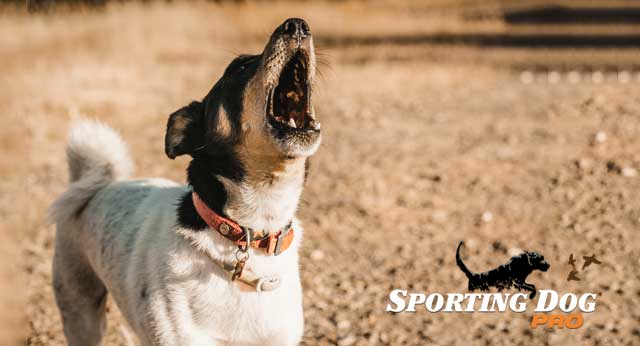
Barking is the most polarizing thing a dog does. Some people can’t stand any of it. Others can’t understand why anyone would want to stop it. Both positions make sense depending on your situation — whether your dog is a guard dog, a hunting dog, a kennel dog with neighbors, or a house dog in a suburban neighborhood changes what barking means and what you should do about it. Understanding what barking actually is and why dogs do it makes the whole question easier to think through.
Why dogs bark
Barking is vocalization, and vocalization is communication. Long before dogs were domesticated, when they lived and hunted in packs, barking served a practical function — it allowed pack members to stay in contact when visual and scent communication wasn’t possible over distance. That function is baked into dog biology. It’s why a single dog barking at night will set off every dog within earshot in a neighborhood. They’re not being difficult. They’re responding to a communication signal the way they’re wired to respond to it.
Domestic dogs bark for a variety of specific reasons: to alert to something unusual, to communicate distress, to initiate play, to respond to other dogs, to express frustration or boredom, or simply because they’ve learned that barking gets a result. Understanding which type of barking you’re dealing with matters, because the response is different depending on the cause.
Barking worth keeping
Not all barking is a problem, and some of it you specifically don’t want to eliminate.
Alert barking. A dog that barks when someone approaches the property, when something unusual appears, or when he senses something the humans haven’t noticed yet is doing exactly what guard dogs and watchdogs have been bred to do for centuries. For a property dog, a kennel dog, or a hunter who wants his dog to alert to game movement or unfamiliar people near the truck, this bark has value. Suppressing it entirely would be counterproductive.
Distress vocalization. A high-pitched yelp or cry that signals pain, fear, or genuine distress is different from nuisance barking and should never be suppressed. If your dog is caught in wire, injured, or genuinely frightened, you need to hear that. A bark collar that activates on a pain yelp is being misused. Most quality bark collars use sensor technology specifically to distinguish normal barking from yelping — make sure the collar you’re using doesn’t eliminate the sounds your dog needs to make to tell you something is wrong.
Breed-specific working vocalizations. Hounds that bay on track, herding dogs that bark to move livestock, beagles on a rabbit — these vocalizations are bred-in behaviors tied to the job the dog was developed for. You can manage the context, but trying to eliminate the vocalization entirely fights the dog’s breeding and is rarely successful.
Nuisance barking
Nuisance barking is persistent, purposeless barking that serves no useful function — barking at nothing, barking out of boredom, barking that continues long after whatever triggered it is gone. It’s the kind that gets you a call from a neighbor or a notice from a campground. It’s also one of the more solvable behavioral problems.
Before you address the barking, ask what’s driving it. A dog that barks constantly while alone isn’t barking to annoy you — he’s likely bored, anxious, or insufficiently exercised. Solving those problems solves the barking. A dog that has enough physical exercise, mental stimulation, and appropriate social contact barks significantly less than a dog that doesn’t. Putting a bark collar on a dog that’s barking because his needs aren’t being met treats the symptom and ignores the cause.
That said, for dogs that bark excessively despite having their needs met — or for situations where the barking needs to be addressed immediately regardless of the cause — a bark collar is an effective tool. Modern bark collars use dual sensors to distinguish your dog’s bark from outside noise and other dogs, which means corrections are accurate rather than random. They don’t hurt the dog — they interrupt the behavior with a mild static correction or vibration and teach the dog that barking produces an unpleasant result.
One rule worth following regardless of method: don’t yell at a barking dog. From the dog’s perspective, you’re joining the bark. It signals to him that whatever he was barking at is worth barking at, which reinforces the behavior rather than stopping it. A calm removal from the situation or a quiet, immediate correction is more effective than adding your voice to the noise.
Puppies and barking habits
Puppies bark more than adult dogs — they’re exploring their voice, testing what response they get, and learning the rules. Some of that barking resolves on its own as the puppy matures. Some of it, if left unchecked, becomes the foundation for a chronic barker. The habits formed in the first year are much easier to shape than habits that have been practiced for two or three years.
If your puppy is barking for attention and getting it — even negative attention — he’s being taught that barking works. Address attention-seeking barking early by not rewarding it. Ignore it, redirect it to a command, or interrupt it with a clear consequence. Consistent early handling produces a dog that barks when there’s a reason to bark and is quiet the rest of the time — which is exactly what you want from a hunting dog or a kennel dog.
Browse our full lineup of bark collars — including options for small dogs, large dogs, rechargeable systems, and spray collars. If you’re not sure which fits your dog and situation, call us at 1 (800) 524-2428 and we’ll help you choose.
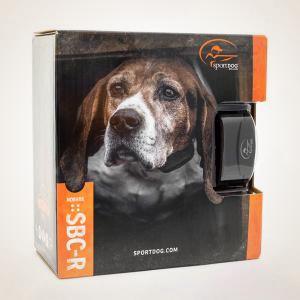
"Best bark collar."
$109.99
This item qualifies for FREE SHIPPING*


Patented dual-sensor detection fires only when your dog barks — not from outside noise or other dogs. 10 stimulation levels, three programmable modes, OLED display, built-in safety timeout. Rechargeable, 200-hour battery life, IPX7 waterproof. For dogs 8 lbs. and up... [read more].