You have no items in your shopping cart.
Training Your Hunting Dog to Leave Snakes Alone
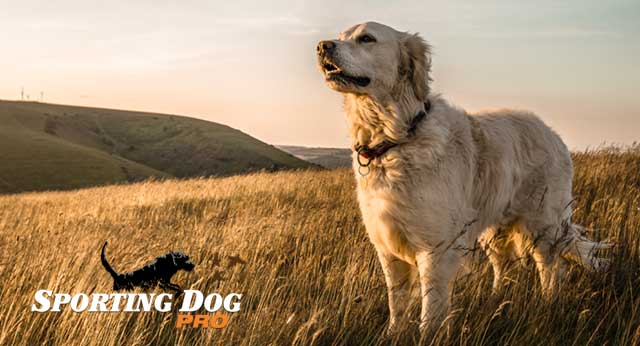
Growing up, I have a vivid memory of my dad’s favorite hunting dog, King. He was mostly white and stood taller than all the other hounds in the pack — strong and stately, and I suppose that’s how he got his name. But that isn’t the reason King stands out in my mind. King had an unfortunate attraction to snakes. He thought they were something to play with. Walking the path at night to his kennel and shining my flashlight into the eyes of a swollen-faced monster was a childhood memory I’d prefer to erase. I’m not sure training would have changed King’s outcome, but I’d sure like to think it could have.
Why snake proofing matters
Most terrain that holds game also holds snakes. Quail fields, timber edges, creek bottoms, marsh grass, brushy fencerows — the cover that holds birds in the South and across much of the country is exactly where cottonmouths, copperheads, and rattlesnakes live and hunt. A dog working through that cover with his nose to the ground, pushing under brush piles and into thick grass, is going to encounter snakes regularly across a career of hunting. A dog that has been snake-proofed gives them a wide berth. A dog that hasn’t is a dog you’ll be loading into the truck for an emergency vet visit at some point.
Even dogs with some natural wariness toward snakes benefit from formal snake-proofing. Natural aversion isn’t always reliable under field conditions when prey drive is running hard. A dog that would normally circle wide around a snake scent may blow right through it when he’s locked onto a bird. The trained aversion — conditioned through deliberate repetition — is more durable under pressure than the instinctive one.
The tools you need
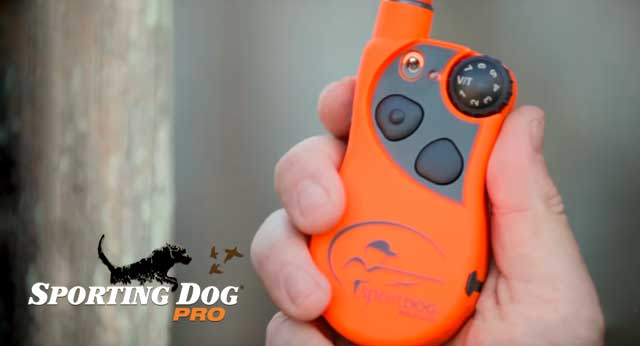
Effective snake proofing requires two things: snakes and a training collar. The snakes should be live and local wherever possible. A rubber replica or a decoy can be used as a supplement, but it doesn’t produce the same reliable result as a live snake because the dog isn’t getting real scent, real movement, or real sound. The snakes used for proofing should be non-venomous local species — the same garter snakes, rat snakes, and water snakes the dog will actually encounter in the field. The goal is to associate the smell, sight, and sound of snakes in general with an aversive consequence, so variety in the snakes used improves the generalization of the training.
The e-collar is the right tool for this application because the correction needs to be delivered at the exact moment the dog engages with the snake — the moment he moves toward it, sniffs at it, or paws at it — and it needs to be clear enough to be genuinely aversive without being so severe it creates lasting fear of the environment. A momentary stimulation at a level that startles without terrifying is the target. This is an application where having the collar on the dog and being ready to deliver the correction the instant the behavior happens is critical. A delayed correction is a missed teachable moment.
Training for sight
Begin with the snake placed out in the open where the dog can clearly see it. Walk the dog near the snake on a long lead with the training collar ready. The moment he moves toward the snake or shows clear intent to investigate — not after he’s reached it — deliver a firm momentary correction. The timing should connect the correction to the approach, not to the snake itself. You want the dog to learn that moving toward that thing produces an unpleasant outcome, not that the snake delivers it on contact.
Most dogs respond to this quickly. A single session with several repetitions across different placements of the snake is often enough for the dog to begin giving the snake a wide berth on sight. When the dog avoids the snake without prompting — gives it a look and moves away — praise him clearly. The praise reinforces the avoidance behavior you want to become the dog’s default response.
Training for scent
Because a dog will often smell a snake well before he sees it, scent conditioning may be the most practically important part of snake proofing. Hide the snake in tall grass — you can use a breathable bag or pillowcase so it can’t escape while still allowing scent to pass through — and walk the dog through the area upwind. When he catches the scent and moves toward the source, deliver the same momentary correction at the moment he begins orienting toward the smell.
Use local snakes for scent training specifically. Snakes from different regions have different scent profiles, and you want the dog conditioned to the scent of the species he’ll actually encounter. Repeat this exercise with the snake in different locations in the cover so the dog associates the scent itself with the aversive consequence rather than learning that one specific patch of grass is the danger zone.
A dog that catches snake scent and immediately swings wide or returns to you has learned the right lesson. That’s the behavior you’re building toward: a dog that smells snake, registers danger, and gives it distance rather than investigating.
Run the sight and scent exercises separately before combining them. A dog working through grass trying to track scent to a hidden snake is doing more cognitive work than a dog reacting to a visible snake. Building the behaviors separately and then combining them produces more reliable conditioning than trying to do everything at once.
Training for sound
For hunting in rattlesnake country, adding an auditory component to the proofing is worth the extra session. Record a rattlesnake sound — search “rattlesnake rattle” on your phone and you’ll find usable recordings — and play it from a speaker placed near the snake during a scent or sight session. The dog begins to associate the sound with the overall snake encounter rather than just the sight and smell. Over time, the rattle alone becomes a warning cue he responds to by moving away.
This is the most specialized element of snake proofing and takes the most repetition to produce a reliable response, but it’s legitimate field preparation for any dog hunting in country where rattlers are common. The combination of all three senses conditioned to produce the same avoidance response gives the dog the best possible chance of recognizing and avoiding a dangerous snake encounter before it turns into a bite.
If your dog is bitten anyway
Snake proofing significantly reduces the risk but doesn’t eliminate it entirely. A dog working hard cover at a run can step on a snake he had no time to smell or see. If your dog is bitten in the field, get him to a veterinarian immediately — this is a genuine emergency, not a wait-and-see situation. Keep the dog calm and as still as possible to slow venom circulation. Don’t cut the bite or attempt to suck out venom — those approaches cause more harm than they prevent. Don’t apply a tourniquet. The treatment for venomous snakebite in dogs is antivenin and supportive veterinary care, and time matters.
Before hunting season starts, locate the nearest emergency veterinary clinic to your primary hunting areas. In remote country, know the route before you need it. A dog bitten at dusk in the back forty with a forty-minute drive to the nearest after-hours clinic needs you to know exactly where you’re going. A few minutes of planning before the season can save your dog’s life when it matters.
Snake proofing clinics are offered by professional trainers in most parts of the South and Southeast during spring and summer, using live non-venomous snakes and professional e-collar technique. If you’re not confident doing this work yourself, one session with a professional who runs a proper proofing clinic is a worthwhile investment. One snakebite treatment costs significantly more.