You have no items in your shopping cart.
How to Properly Socialize Your Dog
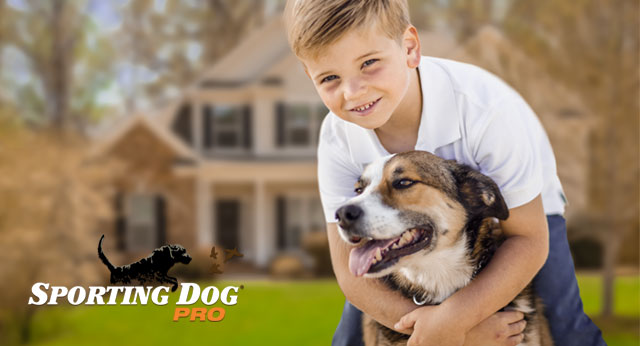
Socialization is one of the most consequential investments you make in a dog’s early life, and one of the most frequently misunderstood. It’s often treated as a nice-to-have — something you do if circumstances allow, in whatever form is convenient. In reality, socialization during the early developmental window is foundational to everything a dog will be able to do comfortably for the rest of his life. A poorly socialized dog is more reactive, less adaptable, and harder to train in new environments. A well-socialized dog handles novelty with confidence, focuses on the handler in distracting situations, and adapts to new terrain, new people, and new animals without significant stress.
The critical socialization window
Between roughly three and fourteen weeks of age, a puppy’s brain is in a developmental state that makes positive exposures exceptionally sticky. Things the puppy encounters with positive or neutral outcomes during this window are likely to be accepted comfortably for life. Things he doesn’t encounter during this window may require significantly more work to introduce positively later — and some fear responses formed during a fearful exposure in this period are very difficult to fully reverse.
The socialization window doesn’t close absolutely at fourteen weeks, but the ease and depth of socialization declines significantly after it. A puppy socialized thoroughly in the first three months has a fundamentally different foundation than one who was isolated or under-exposed during that period. This is why breeders who handle puppies frequently, introduce varied stimuli, and provide early enrichment are doing developmental work that matters for years.
For a sporting dog puppy specifically, the socialization checklist includes more than just people and other dogs. The puppy’s future working life involves specific terrain types, specific sounds (including gunfire at appropriate distances), different weather conditions, water, vehicles, livestock if relevant, and the general activity of a hunt day. Exposure to all of these during the critical window builds a dog that takes them in stride as an adult rather than encountering them as novel stressors in the field.
What proper socialization actually looks like
Socialization is not simply exposure. It’s positive or neutral exposure. Throwing a puppy into an overwhelming situation — a dog park with aggressive dogs, a crowd of strangers who immediately mob him, a loud environment before he’s ready — is not socialization. It’s flooding, and it can produce the fear responses that socialization is meant to prevent.
Proper socialization is controlled, graduated, and positive. The puppy encounters a new person, a new dog, a new environment, or a new sound at a level of intensity that he can process without distress. He has positive experiences with it — treats, play, genuine praise, or simply calm positive interaction — and he moves on. Over many repetitions with varied stimuli, the pattern he develops is: new things are typically fine, and when they’re not sure, they check with the handler. That check-in behavior is the key outcome of good socialization for a working dog.
Watch body language throughout. A puppy that is curious, actively exploring, and disengages from a stimulus on his own is handling it well. A puppy that is frozen, lowered, tail tucked, or trying to retreat is telling you the exposure is too intense. Back off, reduce the intensity, and let him re-engage on his own terms. Forcing a puppy through a fear response does not desensitize him — it confirms that the scary thing is actually scary.
Socializing with people
Puppies should meet a wide variety of people during the socialization window — different ages, different appearances, people wearing hats and coats and glasses, people who move differently (including children, who move unpredictably). The goal is a dog that has no category of “strange person” because he’s met enough variety that people are just people.
Introduce new people at the puppy’s pace. Have them crouch down rather than leaning over the puppy. Let the puppy approach rather than being handed to a stranger. Pair the introduction with treats or play so the association is positive. For puppies that are naturally bold, this is easy and fast. For puppies that are naturally cautious, it takes more patience and more graduations — but those puppies benefit most from the work, because their natural tendency is to be wary of unfamiliar people.
Socializing with other dogs
Well-regulated interactions with other dogs teach a puppy the canine communication skills he needs for every multi-dog situation he’ll encounter for the rest of his life: how to read another dog’s signals, how to respond appropriately, how to disengage. These are skills that only develop through actual interaction with other dogs.
Quality matters more than quantity. One well-matched interaction with a calm, socially appropriate adult dog is worth more than an hour at a chaotic dog park where overstimulated dogs are practicing rude behavior. Seek out interactions with dogs that are known to be appropriate with puppies — dogs that can give a correction when a puppy pushes too hard and then reset without escalating. That natural corrective feedback from an appropriate adult dog is some of the most useful socialization a puppy can get.
For hunting dogs, dog-to-dog interactions have a specific field context: the dog will eventually work alongside other dogs, steady while another dog retrieves, and honor another dog’s point. Building comfortable, confident relationships with other dogs from puppyhood makes all of that easier.
The goal of socialization with other dogs is a dog that can be neutral and calm around other dogs in a working context — not overly excited, not reactive, simply comfortable. A dog that is worked up every time he sees another dog is a dog who’ll have trouble focusing in a hunting situation with multiple dogs present.
Socializing older dogs
The original article is right that socializing an older dog is possible but requires adjustment. The critical window is closed, which means new experiences don’t take root as easily or as deeply as they would have during puppyhood. Progress is slower, and some fear responses established early may need management rather than full resolution.
The approach is the same in principle: positive, graduated exposure below the threshold where distress appears. The pacing is different — slower, more conservative, with more distance from triggering stimuli and longer time spent at each step before progressing. Once a week rather than once a day is a reasonable pace for a dog with established anxiety responses, as the original article suggests. Don’t rush. And don’t interpret slow progress as failure; a dog that is measurably more comfortable around other dogs after three months of gradual work has improved, even if he’s not yet fully comfortable.
A training collar used correctly can support socialization work with older dogs in the way described in our article on using a training collar for anxiety — as a communication tool that redirects attention to the handler when the dog is starting to react, rather than as a tool for punishing reactive behavior after it’s already in full expression. The goal is handler orientation when uncertain. That’s what socialization builds, and the collar is a tool that supports it at the moment it matters.
Socialization never fully ends
The critical window closes, but a dog’s accumulated experience continues to shape his responses throughout his life. A well-socialized adult dog who stops getting varied experiences — who lives a narrow, predictable life without new stimuli — can become progressively less comfortable with novelty over time. Continued exposure to varied environments, different people, different dogs, and different situations maintains the adaptability that early socialization built. For a hunting dog, the seasons themselves provide this — new terrain, new conditions, new situations every year. That ongoing exposure is one of the under-appreciated benefits of working a dog regularly throughout its life.