You have no items in your shopping cart.
The Ultimate Puppy Searching Experience
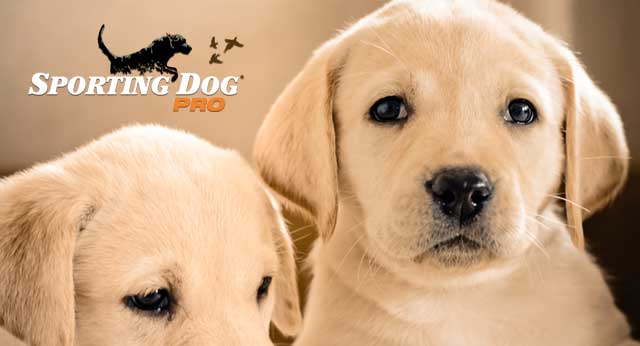
Finding the right hunting dog puppy is one of the more consequential decisions in a hunter’s life. Get it right and you have a working partner for twelve or more years. Get it wrong and you spend those years working around a dog that was never quite the right fit. The good news is that most bad puppy decisions are avoidable — they happen when someone falls in love with a puppy before they’ve done the thinking that should come first. Do the thinking first, then find the puppy.
Know the breed before you look at a litter
Breed selection is the most important decision in the process and the one most often made on incomplete information. A puppy’s looks, a friend’s recommendation, or a recent hunting magazine article shouldn’t be the primary driver. The breed needs to fit your hunting style, your terrain, your living situation, and your willingness to meet the breed’s specific physical and mental requirements.
Start with how and where you hunt. Wide-open western pheasant country and thick southeastern quail cover call for different dogs. Waterfowl hunting in cold marsh water requires different attributes than upland hunting in summer heat. A multi-purpose dog that will retrieve ducks in the morning and work pheasants in the afternoon exists — several breeds handle both well — but compromises in either direction are part of that choice. Be honest about which application matters more to you.
Consider living arrangements. A high-energy pointing breed or working retriever that lives in a kennel and hunts hard is a different proposition than the same breed expected to be a calm house dog without adequate daily exercise. Some breeds adapt well to both roles; others are genuinely difficult to live with unless their working needs are consistently met.
Spend time around dogs of any breed you’re seriously considering before committing. Visit kennels. Talk to owners who hunt the same cover with the same style you do — not just enthusiastic owners at a dog show. Ask specifically about the breed’s weaknesses, not just its strengths. Every breed has characteristics that require management, and knowing them in advance is how you prepare rather than get surprised. Our breed highlight articles can help you start:
Labrador Retriever • Chesapeake Bay Retriever • German Shorthaired Pointer • Hound breeds
Also decide on sex before you see the litter. A puppy’s markings or personality in the moment shouldn’t override a decision as significant as male vs. female, and it’s much easier to hold to a prior decision than to make a rational choice while holding an appealing puppy.
Know the breeder
The breeder is responsible for everything that happened to that puppy before you picked it up — the parents’ health screening, the quality of care during the critical early socialization window, the temperament of the environment those puppies grew up in, and the honesty of the information you receive. A good breeder makes your job easier in ways that continue to pay off for years. A bad breeder creates problems that aren’t always visible at eight weeks.
What to look for: clean, well-maintained facilities where dogs are clearly well-fed and healthy. A breeder who asks you questions — about your hunting style, your living situation, your experience level — is a breeder invested in good placement rather than just a sale. Health testing on the parents appropriate to the breed: OFA hip and elbow certification for large-breed retrievers and pointers, eye certifications where relevant. Willingness to let you see where the puppies are raised and how the dogs live. References from previous buyers, especially hunters who have worked dogs from the same lines.
Red flags: breeders who have multiple breeds and multiple litters available at all times. Puppies raised in isolation from normal environmental stimulus rather than in the house or around regular human activity. Reluctance to show health clearances on the parents. Pressure to decide quickly or deposit immediately.
A reputable breeder of hunting dogs will usually have a waitlist. The litter that’s immediately available from a breeder you know nothing about is a much riskier choice than waiting six months for a litter from a breeder with a proven record of producing dogs that hunt. Patience at this stage saves years of frustration.
Know the parents
The parents are the most reliable predictor of what you’re getting. A puppy out of two proven, titled hunting dogs with good health clearances and temperaments that match what you’re looking for is the closest thing to a reliable bet this process offers. A puppy out of parents whose history and working ability are unknown is a much larger gamble, regardless of how appealing the puppy is in person.
Where possible, see at least one parent in the field. Watching a parent work tells you things about drive, biddability, style, and temperament that pedigree documents and breeder descriptions don’t fully convey. A dog with a great pedigree but soft drive or a difficult temperament passes those qualities down regardless of the paper behind him. A dog with excellent field performance and a solid, easy temperament is what you’re hoping to replicate in the offspring.
For retriever buyers: ask whether the parents have been hunt tested or field trialed. Hunt test titles (JH, SH, MH) indicate that a dog was evaluated against an objective standard in realistic hunting scenarios and met that standard. For pointing dog buyers: NAVHDA scores, AKC pointing breed titles, and actual hunting records from hunters you can contact are all meaningful. For hound buyers: hunt club records, cast-and-call performance, and recommendations from working hound hunters who know the lines are what matters.
Time spent here saves time later
The final point from the original article is worth closing on: pedigrees and perfect parents don’t compare to the time spent training and working your dog. The best-bred puppy in the country becomes a mediocre hunting dog without consistent, patient training and genuine relationship-building. The commitment doesn’t end at the moment you bring the puppy home — that’s where it begins.
Do the research, find a dog that genuinely fits your situation, and then commit to the work of making that dog everything he can be. That combination — the right dog plus the right investment of time — is what produces the hunting partner worth talking about for the rest of your life.