You have no items in your shopping cart.
Take Advantage of Youth Waterfowl Hunting Days
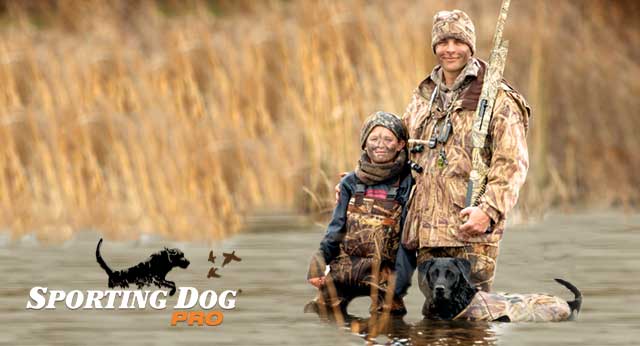
Most states offer designated youth waterfowl hunting days before or during the regular season — days set aside specifically so young hunters can get into the marsh or blind without competing against a full season’s worth of pressure. Age requirements and regulations vary by state, so check your state wildlife agency’s current regulations for the specifics that apply where you hunt. In most cases, youth participants must be accompanied by a licensed adult mentor who does not shoot. That requirement is the whole point: the day belongs to the kid.
Why youth days are worth prioritizing
There’s nothing stopping you from taking a young hunter during the regular season, and plenty of families do exactly that. But youth-designated days have a few practical advantages that regular season hunts don’t. Pressure is lower, which typically means birds that have been educated to decoys and calling over weeks of regular season hunting may respond better. The environment in the blind tends to be more relaxed when everyone present knows the day is about the young hunter’s experience rather than the adults filling limits.
More importantly, the structure forces the focus onto the kid. On a regular hunt with multiple adults, it’s easy for a young hunter to fade into the background — watching rather than participating, waiting for a turn that keeps getting pushed back when birds are working. A dedicated youth hunt puts him in the shooting position, lets him make the call, lets him experience the failure and the success that come with that responsibility. That’s where confidence builds.
Hunting has a proven record of building confidence in young people, particularly those who struggle with it in other contexts. There’s something about being trusted with real responsibility in a real environment — the pre-dawn setup, the waiting, the shot, the retrieve — that produces a different kind of self-assurance than most activities can. Youth waterfowl days formalize that opportunity.
Safety and preparation
A hunter safety course before a first hunt is always a sound idea, and in many states it’s required for youth to obtain a license. Even where it isn’t legally required, the course provides a structured foundation for gun handling, safe field practices, and hunting ethics that a first-time hunter genuinely needs. Our article on the importance of taking a hunter safety course covers this in more detail.
Beyond formal training, take time on the way to the blind to walk through the specific protocols for the day: how to handle the gun safely when moving, when the safety comes off and when it goes back on, where to point the muzzle while seated in the blind, and who gives the signal to shoot. A young hunter who knows exactly what’s expected of him in each moment of the hunt is safer and more confident than one trying to figure it out in real time when birds are working.
Youth waterfowl days typically see lower hunting pressure than regular season days, which means less boat traffic, quieter marshes, and birds that may not have been fully educated to decoys and calling yet. Early season youth days in particular can offer excellent shooting on birds that have only recently arrived from staging areas.
The dog’s role
A youth waterfowl hunt is an excellent opportunity to let a young hunter take on the role of dog handler. Sending the dog on a retrieve, watching him work to the bird, and receiving it back to hand is a complete, satisfying experience that many young hunters find as memorable as the shot itself. Let the kid call the dog, give the send command, and handle the retrieve. It’s a dimension of the hunt they often don’t get to experience when adults are managing everything.
A well-trained retriever makes the youth waterfowl experience significantly better for everyone. A dog steady in the blind, quiet while birds are working, and reliable on retrieves across open water or through marsh grass removes a major source of potential chaos from an environment that’s already asking a lot of a new hunter. If you’re planning to hunt with a young hunter for the first time, make sure the dog is equally prepared. Browse our waterfowl training collar systems if you’re still building that reliability in your retriever.
Making it count
The outcome of the hunt matters less than you might think. A young hunter who sits in a blind for four hours without a shot but who helped set decoys, watched the dog work, drank coffee, and heard the marsh come alive at first light has had a real hunting experience. The days that stick in memory aren’t always the high-action days — they’re often the quiet ones with the right people in the right place.
When something does go right — a bird works the decoys, the shot is good, the dog makes the retrieve — take the moment fully. Let the young hunter hold the bird, take the photograph, tell the story. The tradition of hunting passes down through exactly these moments, and that passing is worth more than any limit.
And if he or she is lucky enough to put a bird on the table, make sure to brag on them for it. After all, that’s supposed to be the reason we go in the first place — the eating, not the bragging.