You have no items in your shopping cart.
Preparing Your Dog for the Hunting Season
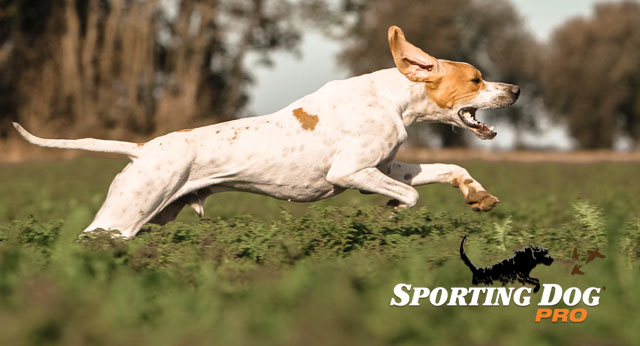
Opening day is not the time to find out your dog isn’t ready. A hunting dog that arrives at the season in poor physical condition, with training gaps that haven’t been addressed, and without a veterinary check for seasonal health risks is a dog working against you rather than with you. The hunters who consistently get the most out of their dogs are the ones who treat preparation as a year-round priority rather than a six-week sprint before the season opens.
Physical conditioning — start well before the season
A dog that’s been largely inactive through spring and summer and then asked to hunt hard in September or October is being set up for injury and rapid fatigue. The cardiovascular conditioning needed to work a full day in early-season heat doesn’t develop in the final weeks before opening day — it develops over months of consistent activity. The target is a dog in genuine working condition eight to twelve weeks before the season opens, not a dog that’s still getting there when birds start moving.
What “genuine working condition” means: the dog can sustain hard field work for a full morning without significant fatigue, recovers quickly between sessions, and shows no stiffness or soreness the day after a hard outing. If your dog hits that standard before the season, he’s ready. If he’s still building toward it, keep working and adjust your expectations for early-season intensity accordingly.
The type of conditioning matters as much as the duration. Road running builds cardiovascular fitness but doesn’t toughen pads, develop the directional agility needed for cover work, or build the specific muscle groups used for swimming retrieves. Mix conditioning modalities: swimming for low-impact cardiovascular work and joint health, field work in the actual terrain you hunt, and any sport-specific practice that mirrors what the season will demand.
Weight management
A dog carrying extra weight into hunting season is working harder than he needs to at every step, generating more heat, and putting additional stress on joints that are already being asked to absorb the impact of a hard day in the field. The extra weight doesn’t show its full cost until the third or fourth hour when the dog that’s lean and fit is still working strong and the dog that’s soft is done.
Off-season weight gain is common, particularly in dogs that are highly active during the season and largely inactive the rest of the year. Managing it requires adjusting food intake to match activity level year-round rather than feeding the same amount regardless of how much the dog is doing. Body condition should be checked regularly — you should be able to feel the ribs without pressing hard, see a waist from above, and see a slight abdominal tuck from the side. If those markers are off heading into pre-season conditioning, address the diet and increase activity simultaneously.
Veterinary preparation
A pre-season veterinary check is worth scheduling rather than skipping. Your vet can assess joint health and catch early arthritis or soft tissue issues before they become field problems, review vaccination status for region-specific diseases the dog will be exposed to during the season, and address any emerging health concerns while there’s time to manage them before opening day.
Lyme disease vaccination is appropriate for dogs hunting in tick-endemic regions — which covers most of the eastern United States and significant parts of the Midwest and Pacific Northwest. Leptospirosis vaccination is worth discussing for dogs that work around standing water. Your vet knows your region and your dog’s history; the pre-season visit is the right time to have that conversation about which preventives make sense for your specific situation.
Review heartworm prevention as well. Most hunting dogs are on year-round prevention, but confirm the schedule is current and that the product you’re using is appropriate for a dog that spends significant time in water (if applicable — some topical products wash off).
A hunting dog that starts the season with a known clean bill of health is also a dog whose baseline your vet knows. If something happens in the field — a cut, a joint tweak, a sudden illness — a vet who examined your dog two months ago and knows what normal looks like for him can make better decisions faster than one seeing him for the first time.
Training preparation — the most overlooked part of pre-season work
Physical conditioning and veterinary prep are necessary. Training preparation is what most owners underinvest in and what most affects performance on opening day. A dog that was sharp on steadiness in January but hasn’t been worked through the off-season will be rusty on steadiness in September. A dog whose recall was reliable last season but hasn’t been reinforced since will test it when birds are in the air.
The pre-season training window — six to eight weeks before opening day — is the time to run through the complete catalog of behaviors the dog will need in the field. Steady at the line or in the blind, reliable recall, directional handling if you run a retriever on blind marks, delivery to hand, honor another dog’s point if applicable. Don’t assume last season’s training held through an inactive summer. Test it, reinforce what needs reinforcement, and address gaps before they show up in the field.
This is also the time to get dummies and launchers back into rotation, check that your training collar is charged and functioning correctly, and run enough field sessions to confirm the dog is working at the level you need before it matters.
Safety gear
A dog in heavy cover or shared hunting land without high-visibility gear is a dog that can be mistaken for game. An orange hunting vest is basic safety equipment for upland hunting, particularly on public land where you can’t control who else is in the field. It also provides protection from briars and cover for dogs working in heavy vegetation.
A GPS tracking collar is no longer optional equipment for most serious hunters. For dogs that range, work heavy cover, or hunt terrain where losing track of a dog is a realistic risk, GPS gives you real-time location awareness that no bell or beeper can match. A dog that gets turned around in thick timber, crosses onto adjacent property, or goes down from an injury is found because of GPS. A microchip is the permanent backup identification that ensures a dog separated from you can be returned — confirm your dog is chipped and that the registration information is current before the season.
Field first aid supplies belong in your hunting bag. Cuts and pad injuries are the most common field injuries and most can be managed on site if you have the right materials: antiseptic wash, non-stick gauze pads, vet wrap, and medical tape. Know the location of the nearest emergency veterinary clinic to your primary hunting grounds before you need it.
The hunting dog that opens the season physically fit, veterinarily prepared, sharp on training, and properly equipped is the one that performs at his best through a full season. That dog is the result of preparation that started months before opening day — not a sprint through the final weeks.