You have no items in your shopping cart.
Hunting Dog or House Dog?
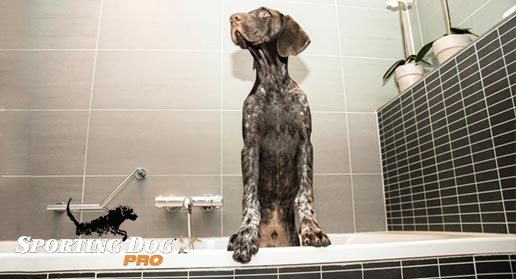
The debate about whether a hunting dog should live in the house or the kennel has been generating strong opinions in hunting camps for generations. People on both sides tend to hold their views firmly. But the evidence from hunters who have done it both ways — and the experience of most professional trainers who have spent time with both kennel dogs and house dogs — points pretty consistently in the same direction: a hunting dog that is also a house dog and a genuine member of the family tends to be a better hunting partner than one kept strictly in a kennel and brought out only to work.
The relationship is the foundation of performance
What makes a hunting dog more than just a biological tracking and retrieving machine is the relationship with the handler. The dog that reads your body language, knows your mood, anticipates your movement, and genuinely wants to please you is the dog that gives you the extra effort on the hard retrieves, that holds his point when every instinct is screaming at him to break, that comes back across the field to you at a dead run when you call him. That relationship is built through time together — not just training sessions, but daily handling, shared routines, and the accumulated experience of being in each other’s company.
A dog that lives in a kennel and comes out to hunt doesn’t develop the same depth of connection with the handler that a dog who lives in the house does. He knows his handler as the person who opens the gate and gives commands. The house dog knows his handler as a complete person — his moods, his habits, the specific ways he communicates. That knowledge produces a more attentive, more responsive working partner in the field.
The kennel confinement problem
A dog kept in a pen for most of the year and released only to train or hunt brings a specific challenge with him every single time he comes out: the sheer, barely-contained exuberance of a dog who hasn’t been free in days or weeks. You spend the first thirty minutes of every training session or hunt burning through that excess arousal before the dog is actually able to settle and work. For a hunting dog whose effectiveness depends on focus, steadiness, and responsiveness to commands, starting every session in an over-aroused state is a significant disadvantage.
The dog that has been a part of daily family life, that has had regular exercise and mental stimulation, and that isn’t associating the opening of the truck tailgate with a once-weekly release from confinement is a dog that can get right to work. He’s not distracted by the freedom; he’s focused on the task.
House training builds self-control
A house dog learns habits that transfer directly to field behavior. Bathroom schedule and restraint, settling when asked, waiting for permission before going through doors or jumping out of vehicles — all of these daily behaviors practice the same self-regulation that makes a dog reliable in the field. A dog that has been taught to wait for the command before exiting the truck has a head start on the steady behavior you need at the blind. A dog that has learned to settle on command in the living room can use that same behavior in the duck blind.
The structure of living in a house with a family — rules about where to be, what to do, and when to do it — provides a daily training environment that a kennel dog simply doesn’t have. The house dog is training every day, even when no formal training session is happening.
The legitimate considerations on the other side
The argument for kennel-only isn’t entirely without merit, and it’s worth acknowledging honestly. A dog that lives and sleeps inside year-round may not develop the winter coat that protects him during cold-weather hunting, particularly during sustained water work in cold conditions. This is a real consideration for waterfowl dogs in northern climates. The solution — allowing the dog to sleep inside but spend regular time outdoors through the fall and winter to build coat — is practical and doesn’t require choosing one extreme or the other.
The other consideration is exercise. A dog that lives inside but doesn’t get adequate daily physical activity is worse off than a kennel dog with a good-sized run and regular exercise sessions. The house dog with limited outdoor time can become soft in ways that affect field performance. This isn’t an argument for kennel-only living — it’s an argument for making sure that house living comes with genuine exercise rather than just couch time.
Where we grew up
Where I grew up, our hunting dogs were part of the family. Not always inside the house, but always around — following my brothers and me through every field and creek, part of whatever we were doing. We knew our dogs and our dogs knew us. We knew when a dog sensed something wrong and we listened. They learned us and we learned them, and when hunting season came, that relationship made them better partners than any training alone could have produced.
There’s nothing wrong with a kennel dog managed well. But the dog that is also family — included, handled daily, part of the life you live outside of hunting season — usually ends up being the better hunting dog. The relationship isn’t a soft sentiment. It’s a practical advantage that shows up in the field every time you need it.