You have no items in your shopping cart.
Four Travel Tips that Will Keep Your Dog Happy
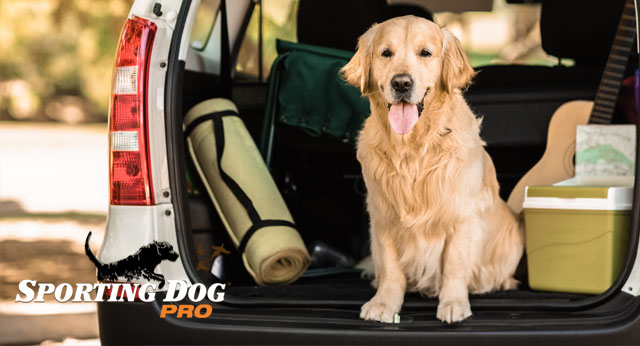
Traveling with a dog requires more planning than traveling without one, but a well-prepared dog trip — whether it’s a weekend hunting camp four hours away or a full road trip to a new hunting location — is manageable with the right preparation. Most travel problems with dogs come from surprises: unexpected policies, underprepared dogs, and situations the owner didn’t account for until they were already in them. Plan ahead, and most of those surprises don’t happen.
1. Research policies and regulations before you leave
Pet policies vary significantly across hotels, rental properties, campgrounds, and hunting lodges, and assuming a place is pet-friendly based on a general impression is a fast way to find yourself at a destination that won’t allow your dog inside. Call ahead or confirm in writing rather than relying on online listings that may be outdated. Lodges and outfitter operations that cater to hunters often accommodate dogs specifically — some have kennels on site — but the details vary and it’s always worth confirming.
For air travel, airline policies on pets in cargo or cabin differ by carrier and change periodically. Most airlines have weight limits, crate size requirements, breed restrictions, and seasonal embargoes on cargo animals during extreme temperatures. If you’re flying with a dog, contact the airline directly and get the current policy in writing before you book. The consequences of showing up to an airline counter with a dog you haven’t confirmed they’ll accept are significant.
For international travel or travel to Hawaii, health certificate requirements, vaccination documentation, and in some cases quarantine requirements apply. These have lead times measured in months, not days. If international travel with your dog is on the horizon, contact the destination country’s embassy or agricultural authority well in advance of the trip.
2. Crate your dog during travel
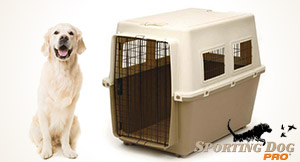
A loose dog in a moving vehicle is a distraction, a potential safety hazard, and an unrestrained projectile in a sudden stop or collision. A dog in a properly secured travel crate is safe, contained, and generally more settled than a dog loose in the cab — the enclosed space reduces the visual stimulation of moving traffic and gives the dog a defined, secure den space for the duration of the trip.
For hunting dogs traveling to remote camps or field locations, the vehicle crate is also part of the field setup: the dog knows the crate as his space, loads and unloads on command, and stays settled in camp between sessions rather than needing to be managed. A dog that will load reliably, settle quietly, and unload safely on command is a significantly more practical hunting companion than one that requires physical handling at every truck stop.
Before any long trip, exercise the dog fully, allow him to relieve himself completely, and don’t feed a large meal immediately before departure. A well-exercised dog with an empty stomach settles into a crate faster and is less likely to be carsick than a dog with energy to burn and a full belly.
Never leave a dog in a crated vehicle in warm weather without active air conditioning running. On an 85-degree day, vehicle interior temperatures reach dangerous levels in minutes. If you have to leave the vehicle, the dog goes with you or stays with someone who remains with the running vehicle.
3. Exercise and settle after arrival
A dog that has been in a crate for several hours arrives at the destination with accumulated energy and a need to investigate new surroundings. Taking time for a genuine walk or exercise session before expecting the dog to settle in a new environment is worth doing, not just for the dog’s sake but for practical management reasons. A dog that has moved around, relieved himself thoroughly, and had a chance to sniff and investigate his new location settles into that location significantly more easily than one that went directly from crate to kennel or room.
For a hunting camp, this arrival exercise also serves a practical purpose: it lets the dog get oriented to the terrain and the scent environment of the hunting area. A dog that has moved through the area the evening before opening morning hunts that terrain with some familiarity. The first time the dog encounters the habitat shouldn’t be the first morning of the hunt.
4. Visit the vet before the trip
A pre-travel veterinary visit accomplishes several things that matter for a traveling dog. Your vet can confirm vaccinations are current for the destination — some destinations require specific vaccinations or health certifications. If you’re traveling to an area with different parasite pressure, disease risk, or environmental hazards than your home region, your vet can advise on appropriate preventives. A camping trip into tick country warrants a conversation about Lyme vaccination and tick prevention. A trip to an area with leptospirosis risk in standing water warrants the same for lepto. These aren’t decisions to make based on general internet research; they’re decisions to make with someone who knows your dog and your destination.
The vet visit also produces health documentation that some destinations and some lodges require, and a current health certificate is required for air travel. Getting this visit done before the trip means you’re not scrambling for documentation at the last minute.
Additional considerations for hunting trips specifically
For a hunting trip with working dogs, a few additional preparations are worth adding to the list. Confirm your GPS tracking collar is charged and functioning before departure, not at the destination. Know the location of the nearest veterinary clinic to your hunting area before you need it — a field injury that needs treatment shouldn’t require a phone search at dusk. Pack a basic field first aid kit: antiseptic wash, non-stick gauze, vet wrap, and medical tape handle most common field injuries well enough to manage them until you reach a vet.
If you’ll be hunting in public land or shared hunting areas, high-visibility gear for your dog is practical safety equipment. A dog in orange is a dog that’s less likely to be mistaken for game by other hunters in the area. Browse our dog jackets and vests for orange hunting vest options that provide both visibility and cover protection.