You have no items in your shopping cart.
7 Things To Consider Before You Get a Dog
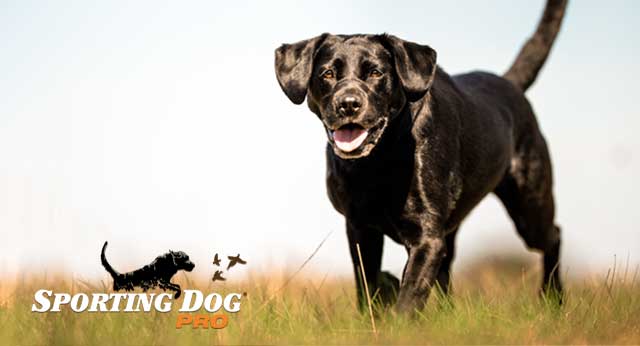
The dogs that end up in shelters and rescues at two or three years old almost always got there because someone made a decision in a moment of excitement that didn’t account for the reality of what owning that particular dog would require. Breed research, lifestyle assessment, and honest self-evaluation done before you bring a dog home prevents most of those situations. It takes an hour and it’s worth doing carefully.
Do you actually have the time?
Dog ownership is a daily responsibility, not a when-convenient one. Every day the dog needs to eat, exercise, and have human contact — not occasionally, not most days, every day. A dog that gets adequate attention and activity on weekdays but is largely ignored on the weeks you travel is not getting adequate attention and activity. Over time, unmet social and physical needs produce behavioral problems that make the dog harder to live with and harder to train.
For a gun dog specifically, the time commitment extends beyond basic daily care. A hunting dog that isn’t worked and trained regularly in the off-season arrives at hunting season undertrained and physically unready. The relationship you build with a working dog through consistent handling and training is what produces a reliable field partner. That relationship takes time to develop and time to maintain. If your schedule doesn’t accommodate that consistently, a hunting dog may not be the right choice at this point in your life.
How often are you away from home?
If your job requires regular travel or your lifestyle keeps you away from home for stretches, have a concrete plan for the dog before you get him — not a vague intention to figure it out. Who watches him when you travel? Is boarding an option that fits your budget and his temperament? Do you have a reliable person who can provide genuine care, not just check-ins? Can you bring the dog with you on some trips?
A dog that spends a significant portion of his life in kennels or with sitters while you travel is a dog with an inconsistent life, and some dogs handle that better than others. High-energy working breeds in particular need consistency and engagement that’s hard to provide when you’re frequently away. Be honest about your schedule before you bring a dog home, not after.
Young children in the household
Dogs and young children can absolutely coexist and thrive together — but the pairing requires active management, not just optimism about breed temperament. A dog is an animal. Even the most patient, mild-mannered breed has a threshold, and toddlers who don’t yet understand the difference between a toy and a dog can push any dog past it without warning. No breed is categorically safe with unsupervised young children.
If you have children under three or four years old, either wait until they’re old enough to learn and follow basic rules around dogs, or be prepared to actively supervise every interaction between the child and the dog for several years. The alternative — hoping for the best because the breed has a good reputation — is what produces the incident that no one saw coming.
The financial reality
The purchase price or adoption fee is the smallest part of the financial commitment. Annual veterinary care, heartworm prevention, flea and tick control, food, grooming, training equipment, boarding when you travel, licensing, and the occasional unexpected emergency are the real costs. A dog that develops a serious health condition — a torn CCL, cancer, diabetes, or dental disease requiring extractions — can generate thousands of dollars in veterinary expenses in a single year.
Budget honestly before you decide. For a gun dog, add training equipment, field work expenses, and potentially professional training to the baseline. None of this is a reason not to get a dog — it’s a reason to understand what you’re committing to financially so it doesn’t become a source of stress or a reason to cut corners on care.
Pet insurance is worth evaluating before you get a puppy rather than after. Premiums are lower for young, healthy dogs, and coverage is in place before a health event occurs rather than after — when pre-existing conditions may disqualify the dog from coverage.
Other animals in the household
An older resident dog may not welcome a puppy with the enthusiasm you expect. An aging dog that has been the center of attention for ten years can be genuinely stressed by a young puppy’s relentless energy. That stress has real health consequences. A cat that has never been around dogs, or a dog that has never been around cats, needs a careful introduction process rather than a hope that they’ll work it out.
For hunting dogs, consider breed-specific instincts. A breed with strong prey drive introduced to resident cats, rabbits, or chickens may create a management problem that requires constant vigilance. This doesn’t mean it can’t work — it means it needs to be planned for rather than discovered after the fact.
Living space and exercise requirements
Match the dog to the environment you actually have, not the environment you plan to have. A high-energy sporting breed in an apartment with no yard and minimal outdoor time is a setup for behavioral problems regardless of how much you love the breed. Small dog doesn’t always mean low energy — some of the highest-energy breeds in existence are small. Large dog doesn’t always mean large-space requirement — some large breeds are remarkably calm in modest living situations.
The most reliable predictor of how a dog will fit your living situation is the breed’s energy level and daily exercise requirement, not its size. Research this honestly for any breed you’re considering. A Brittany or a Vizsla in a small house with an active outdoor owner who hunts regularly is a better match than the same dog with an owner who works long hours and lives in a condo.
Do the research before you fall in love with a puppy
The American Kennel Club maintains detailed breed profiles that cover energy level, trainability, temperament, health concerns, grooming requirements, and suitability for various living situations for every AKC-recognized breed. Reading the full profile for any breed you’re considering takes twenty minutes and can prevent years of mismatched ownership. The dog that’s perfect for your neighbor may be entirely wrong for your situation, and the breed differences are real enough to matter.
The research also protects you from impulse decisions at a breeder or shelter where an appealing puppy can override every practical consideration. Know what you want before you walk in.
For hunting dogs specifically, the breed choice directly affects field capability. Browse our training collar guide organized by application — upland, waterfowl, hound, and family dog — for a practical sense of how different breeds and different hunting styles drive equipment and training needs. Call us at 1 (800) 524-2428 if you want to talk through what fits your situation.