You have no items in your shopping cart.
Effects of Extreme Weather Patterns on Hunting
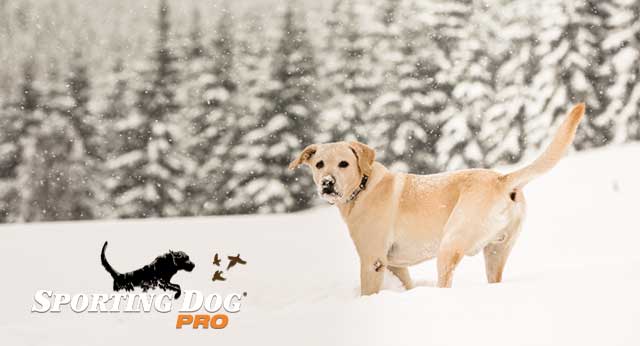
Weather shapes every hunt before it starts. Game behavior, scent conditions, bird movement, dog performance — all of it responds to temperature, barometric pressure, wind, precipitation, and how long any given pattern holds. Hunters who understand these relationships make better decisions about when to go, where to look, and what to expect from their dogs. Hunters who don't find themselves surprised by the same variables every season.
How temperature affects deer behavior
Whitetail deer are most active at dawn and dusk under normal conditions, but temperature shifts that significantly. When temperatures are warmer than normal for the time of year, deer reduce daytime movement to conserve energy and become significantly more active at night — outside legal hunting hours. This is the fundamental problem with warm early seasons: the deer are there, but they’re not moving when you can legally hunt them. Sitting in a stand during an 80-degree October afternoon when rut should be starting is largely an exercise in patience over results.
Cooler temperatures do the opposite. When temperatures drop significantly below seasonal norms — particularly a sharp cold front after a warm stretch — deer increase their movement dramatically. They need to feed more to maintain body temperature and build energy reserves for rut, and the change in conditions seems to trigger activity that warm weather suppresses. The sharpest deer movement often comes in the 24 to 48 hours immediately following a cold front passage, when pressure is rising and temperatures are dropping. This is the window experienced hunters try to be in the field.
Sustained extreme cold is a different story from a productive cold snap. When temperatures stay extremely cold for extended periods, deer reduce movement to conserve energy, cover shrinks as food sources become scarce, and the hunting can become difficult again. The sweet spot for deer hunting activity is typically a significant drop from warm to seasonably cool, not the deepest cold of winter.
Severe weather and population effects on the following season
The weather during hunting season affects the hunt. The weather during the winter following the season affects how many deer — and other game — are available the next season. These are related but distinct considerations.
A mild fall followed by an unusually harsh winter with extended periods of extreme cold, heavy snow cover, or both can meaningfully reduce deer populations heading into the following season. The mechanism is primarily nutritional stress: when snow covers food sources for extended periods, deer burn fat reserves faster than they can replace them, and animals that entered winter in marginal condition — typically young deer, does with late fawns, and older deer past their prime — may not survive. Population reductions from severe winters are generally temporary; recovery happens quickly when conditions return to normal. But the year immediately following a hard winter can show noticeably lower numbers.
The region matters significantly. In the Southeast, where winters are rarely sustained enough to cause serious nutritional stress in deer, even an unusually cold winter rarely affects populations meaningfully. In the upper Midwest and Northeast, where deer evolved without the same cold adaptations as moose or caribou, multi-week periods of extreme cold with heavy snow pack can be genuinely stressful on local herds.
One frequently underappreciated aspect of hard winters: the animals that survive them are, by selection, the hardier individuals. Extreme cold filters out the weakest animals from the gene pool in ways that hunting pressure — which tends to target the largest and most visible individuals — doesn’t. The herd that comes out of a hard winter is, on average, more physically resilient than the one that went in.
Weather effects on upland birds and scent conditions
Upland hunters and their dogs deal with weather effects differently than deer hunters. The primary concerns are bird behavior, scent conditions, and dog safety.
Cold, damp mornings after overnight moisture produce the best scenting conditions for pointing and flushing dogs. The moisture holds scent close to the ground and allows dogs to work at longer range with greater confidence. Hot, dry conditions are the opposite — scent disperses and rises quickly, and dogs have to work significantly closer to find and pin birds. A dog that looks like he’s hunting poorly on a dry 70-degree November morning may be working at the upper limit of what conditions allow.
Pheasants and quail hunker down tightly in heavy cover during severe weather and become easier to find but harder to flush — they hold longer under a point and then flush in a more predictable direction. During high winds, birds typically move to sheltered cover to conserve energy, and the dog that finds that shelter first finds the birds. Wind also carries scent and can confuse dogs working into a crosswind that keeps shifting.
Rain during a hunt is largely a non-issue for working dogs and many hunters. Heavy, cold rain combined with dropping temperatures is a different matter — hypothermia risk for dogs working wet in cold conditions is real, particularly for lean breeds making multiple water retrieves. Know the signs of a dog that’s getting too cold to work safely.
Waterfowl and the weather push
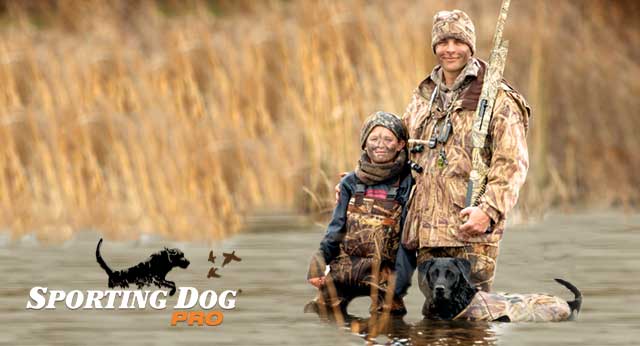
Waterfowl hunting and weather are probably more tightly linked than any other hunting application. Ducks and geese move in front of weather systems — a significant cold front pushing south brings birds with it that may not have been present the day before. Experienced waterfowlers watch weather maps through the season with the same attention a sailor gives to wind forecasts.
The best waterfowl hunting often comes on the leading edge of a major cold front — birds pushing ahead of the system, low clouds, wind. The worst often comes in a settled, clear high-pressure dome after the front passes — birds have moved through and conditions are calm enough that remaining birds have no reason to fly. A duck hunter who can identify where the best birds are and time the hunt to the system’s arrival is working with the weather instead of around it.
Using the off-season weather to your advantage
Whatever a particular winter brings, the off-season is the time to prepare the dog for whatever conditions the coming season will present. A dog that hasn’t been worked in cold or wet conditions since last season needs conditioning before he’s asked to make multiple cold-water retrieves in November. A dog that’s been worked through the off-season in varied weather — cold mornings, wet fields, different terrain — arrives at opening day ready for what the season will bring rather than needing to build tolerance on your hunting days.
Browse our dog jackets and vests for cold-weather field protection, and our heating and cooling products for kennel management through temperature extremes on both ends of the season.