You have no items in your shopping cart.
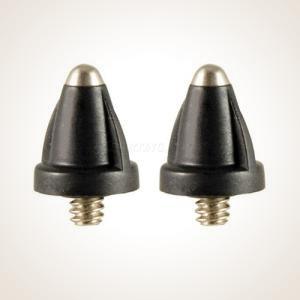
SportDOG Replacement Contact Points ![Contact Points]()
SportDOG Replacement Contact Points

![SportDOG Standard Length Probe Kit]() SportDOG Standard Length Probe Kit$10.99
SportDOG Standard Length Probe Kit$10.99![Sport DOG]()
Replacement standard-length contact probes for most SportDOG SR and FR series collar receivers. Use when probes show wear, corrosion, or inconsistent contact. Kit includes 2 probes and O-ring. If your dog has a thick or heavy coat, use the long-length probes instead...
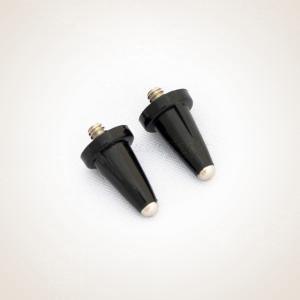
![SportDOG Long Length Contact Points]() SportDOG Long Length Contact Points$10.99
SportDOG Long Length Contact Points$10.99![Sport DOG]()
Long-length contact probes (5/8") for SportDOG SR and FR series collar receivers — designed for dogs with thick, heavy, or long coats where standard probes don't reach the skin consistently. Kit includes 2 probes and O-ring...

Derrick Moore, Senior Field Staff
Standard vs. long contact probes — which do you need?
Contact probes are the metal posts on the underside of your SportDOG collar receiver that make direct contact with your dog’s skin to deliver stimulation. SportDOG makes two lengths — standard and long — and the right choice comes down to one thing: your dog’s coat.
| Probe | Best for | Examples |
|---|---|---|
| Standard length | Short to medium coats, consistent skin contact | Vizsla, Beagle, Pointer, short-coat mixed breeds |
| Long length (5/8”) | Thick, heavy, or double coats | Labrador, Golden Retriever, Spaniel, Hound, any double-coated breed |
When in doubt, try the long probes. Inconsistent stimulation on a thick-coated dog is almost always a contact issue, not a collar malfunction. Long probes on a short-haired dog can cause discomfort — but standard probes on a thick-coated dog simply won’t make reliable contact. If you’re seeing inconsistent results with your collar and the battery is charged, switching probe length is the first thing to try.
When to replace your contact probes
Contact probes should be inspected regularly and replaced when you notice any of the following:
Corrosion or discoloration. Probes are metal and spend time in wet conditions — water, mud, and dog sweat all take a toll. Corroded probes have higher electrical resistance and deliver inconsistent stimulation even when the rest of the system is working correctly.
Physical wear or damage. Bent, chipped, or worn-down probe tips won’t seat flush against the skin. If the tips look rounded or uneven, replace them.
Loose threading. Probes thread into the collar receiver body. If a probe is loose or won’t tighten properly, replace the probe — a loose probe is a contact failure waiting to happen in the field.
Inconsistent stimulation with no other explanation. If your collar is charged, the system pairs correctly, but stimulation seems weak or unpredictable, probes are the first thing to swap out. At $10.99 a kit it’s the lowest-cost diagnostic step before sending the collar in for service.
Both kits include an O-ring seal. Install the O-ring when replacing probes — it maintains the waterproof seal at the probe threads and is an important part of DryTek waterproofing integrity.