You have no items in your shopping cart.
Dog Whistles ![Whistles]()
Dog Whistles
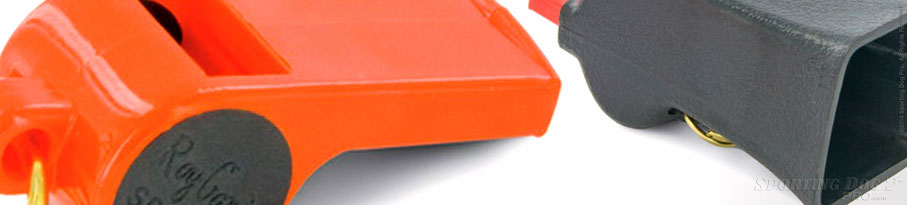
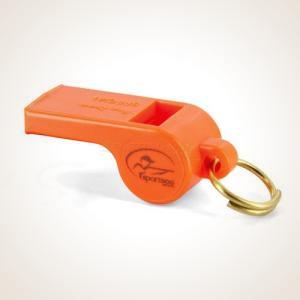
![SportDOG Original Roy Gonia Special Orange Whistle]() SportDOG Original Roy Gonia® Special Orange Whistle$5.99
SportDOG Original Roy Gonia® Special Orange Whistle$5.99![Sport DOG]()
The original Roy Gonia® — lower-pitched tone carries farther, easy to blow, used to train more field champions than any other whistle. The standard for hunting and retriever training...
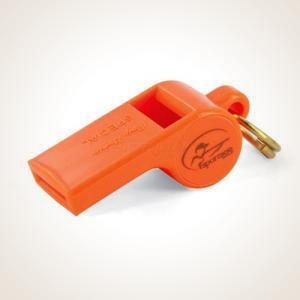
![SportDOG Gonia Special without Pea]() SportDOG Gonia Special Whistle without Pea$5.99
SportDOG Gonia Special Whistle without Pea$5.99![Sport DOG]()
The pealess version of the Roy Gonia Special — produces a clean, high-frequency tone and won’t freeze in cold weather. The right choice for winter hunting or close-range puppy training...
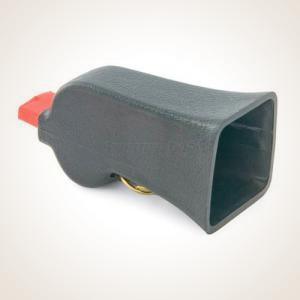
![SportDOG Roys Gonia Mega Whistle]() SportDOG Roy Gonia® Mega Whistle$10.99
SportDOG Roy Gonia® Mega Whistle$10.99
List: $9.95![Sport DOG]()
The long-range Roy Gonia — larger body produces more volume and directs sound forward to protect the handler’s ears. Built for long blinds, wind, and any situation where a standard whistle doesn’t carry far enough...
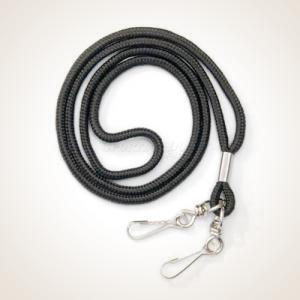
![SportDOG Nylon Double Lanyard]() SportDOG Nylon Double Lanyard$9.95
SportDOG Nylon Double Lanyard$9.95![Sport DOG]()
Lightweight nylon lanyard with two snaps for carrying two whistles at once. Soft and comfortable around the neck, built for field use. Fits all Roy Gonia whistles...

Derrick Moore, Senior Field Staff
Dog training whistles — consistent commands at any distance
A whistle carries farther than a voice and stays consistent in a way a voice never can. Wind, excitement, distance, and the stress of a long session all degrade verbal commands — a whistle cuts through all of it with the same tone every time. That consistency is what makes whistle training so effective: your dog learns to respond to a specific pattern of blasts, not to your mood or your volume. Used correctly, a whistle extends your control range and sharpens your dog’s response to commands in the field.
We carry three Roy Gonia whistles from SportDOG — the most widely used dog training whistles in the world — plus a double lanyard for carrying two at once. Whether you’re training a young retriever in the backyard or running long blinds in the field, there’s a whistle here for the job.
Which whistle is right for your training?
The three Roy Gonia whistles serve different situations. The Roy Gonia Special is the standard — the whistle most trainers start with and never give up. Its lower-pitched tone carries farther than high-frequency whistles and is easy on a dog’s ears over a long session. If you only buy one whistle, this is it.
The Special without Pea is the cold-weather version. A traditional whistle with a pea — the small ball inside that creates the trill — can freeze in temperatures below freezing, producing an unreliable or silent blow at exactly the moment you need it. The pealess design eliminates that problem entirely and also produces a cleaner, higher-frequency tone that works well for close-range or puppy training.
The Roy Gonia Mega is the long-range option. Its larger body produces more volume and directs the sound forward rather than back toward the handler — protecting your ears while projecting the command farther into the field. For trainers running long blinds, hunting in wind, or working dogs at distances where a standard whistle isn’t getting through, the Mega is the answer.
Quick guide: General training → Roy Gonia Special. Cold weather or puppy work → Special without Pea. Long range or wind → Roy Gonia Mega. Carrying two whistles in the field → Double Lanyard.
Common questions about dog training whistles
Why use a whistle instead of voice commands?
A whistle is consistent where your voice isn’t. Your tone, volume, and timing all vary depending on how tired, excited, or frustrated you are — and dogs pick up on that variation. A whistle sounds the same every time, which makes it easier for a dog to learn and reliably respond to specific command patterns. It also carries farther and cuts through wind and ambient noise better than any voice.
What does “with pea” vs. “without pea” mean?
The “pea” is a small ball inside the whistle chamber that creates a trill when you blow. Whistles with a pea produce a warbling, two-tone sound. Whistles without a pea produce a single steady tone. In freezing temperatures, moisture inside a pea whistle can freeze the ball in place, making the whistle silent or unreliable. A pealess whistle doesn’t have this problem — it’s the better choice for cold-weather hunting.
Why do some trainers carry two whistles?
Many trainers use different whistles for different commands — for example, one whistle for sit/stop and a different one for come-in or direction changes. Having two distinct sounds gives you more vocabulary without more complexity. The double lanyard lets you carry both around your neck and grab either one without fumbling.
Also in Training Gear: Launchers | Dummies | Wings & Scents | All Training Gear